- Home
- Best Resources to Learn Spanish
Best Resources to Learn Spanish: Your Complete Guide
Learning Spanish opens doors to connecting with over 500 million speakers worldwide. Whether you're planning a trip to Spain, advancing your career, or simply exploring a beautiful language, finding the best resources to learn Spanish can make all the difference in your journey.
The good news? You've never had more options. From interactive apps to engaging telenovelas, Spanish learning resources come in all shapes and sizes. But with so many choices, how do you know which ones actually work?
This guide breaks down the most effective Spanish learning resources available today, helping you choose the tools that match your learning style, schedule, and goals.
When you use the best resources to learn Spanish in combination, each one reinforces what the others teach.
Why Choosing the Right Resources Matters
Not all Spanish learning materials are created equal. The best resources to learn Spanish are those that keep you engaged, match your proficiency level, and fit seamlessly into your daily routine.
Consider your learning preferences: Do you thrive with structured lessons or prefer immersive experiences? Are you a visual learner who benefits from videos, or do you absorb information better through audio? Understanding these factors helps you select resources that actually stick.
Research shows that combining multiple types of resources—apps for vocabulary, audio for pronunciation, and real content for cultural context—leads to faster progress than relying on a single method.
Books and Written Resources
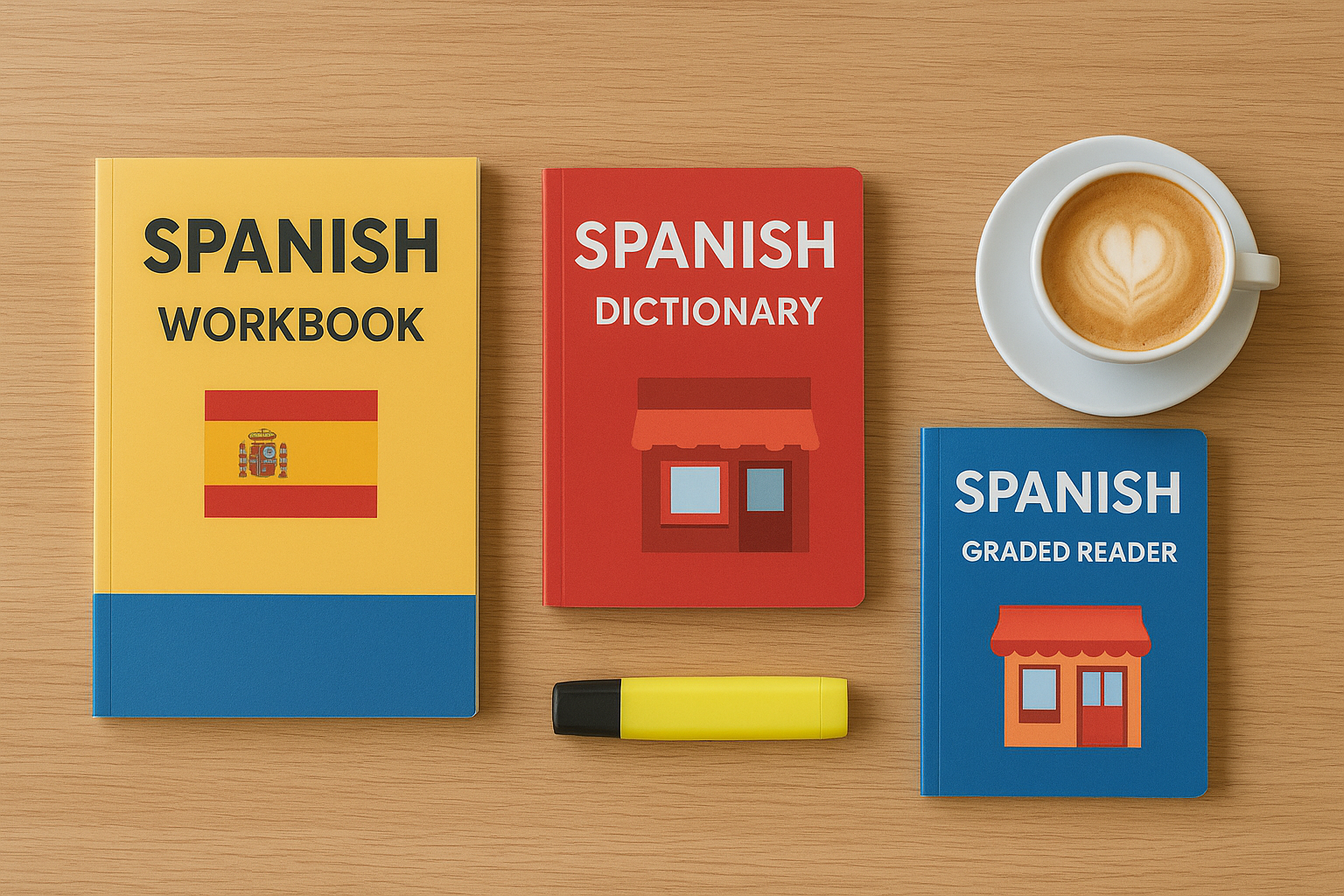
Despite the digital revolution, books remain invaluable for Spanish learners who appreciate structured content and the ability to learn offline.
The best book to learn Spanish varies by level and learning style. Grammar workbooks build a solid foundation, while graded readers offer engaging stories at your comprehension level. Many successful learners keep a reference grammar book alongside lighter reading materials for balanced study.
Books excel at explaining complex grammar concepts with detailed examples you can review repeatedly. They're also ideal for visual learners who benefit from seeing language patterns laid out on the page.
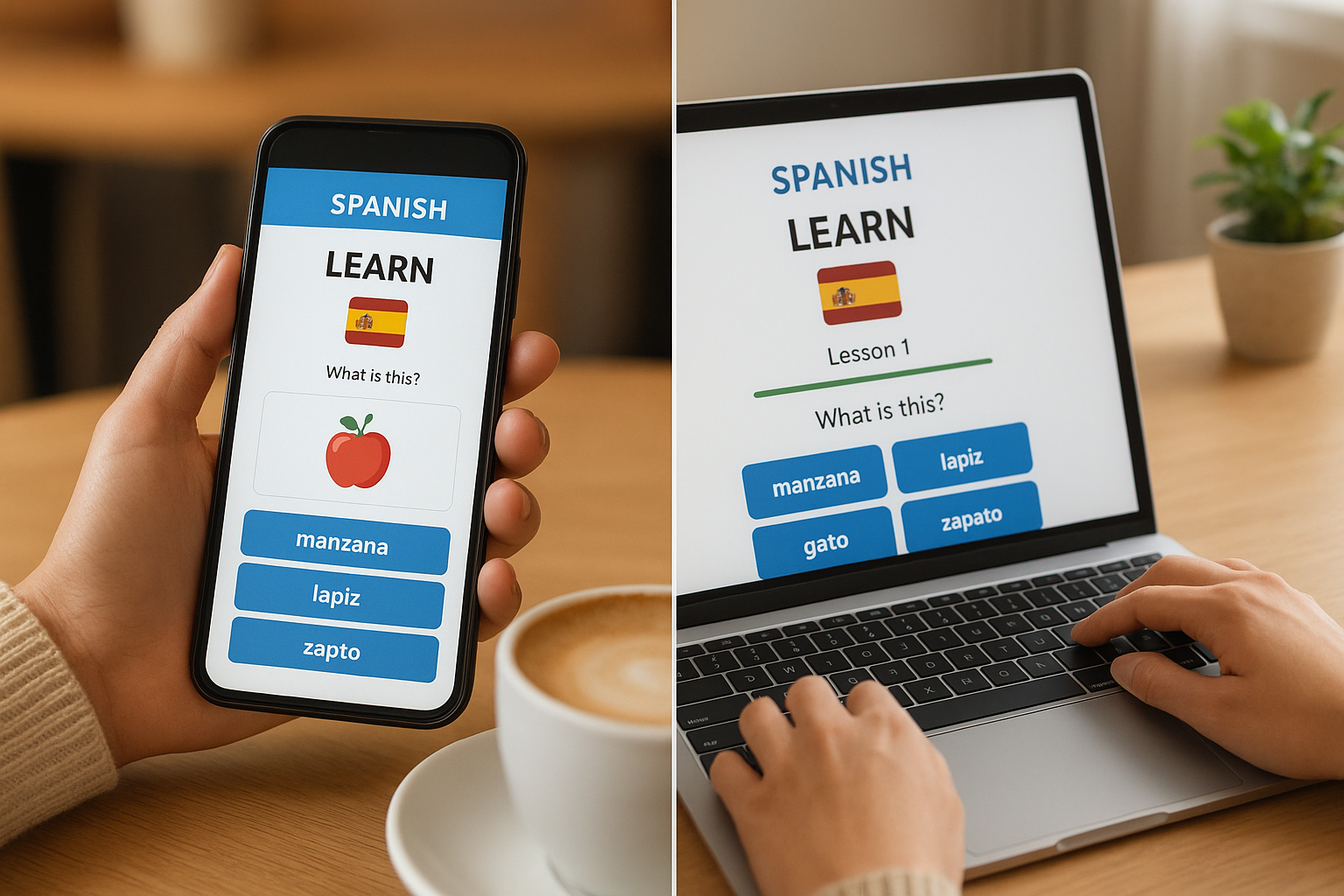
Finding Your Perfect Learning App
With so many options, choosing the right app can feel overwhelming. Consider starting with an app to learn Spanish that offers a free trial, allowing you to test whether its methodology resonates with your learning style.
The best approach often involves using 2-3 complementary resources: one for structured lessons, one for vocabulary building, and one for immersive listening or reading. This combination addresses different aspects of language acquisition without overwhelming your daily routine.
Entertainment-Based Learning: Shows, Movies, and Telenovelas
Immersion through entertainment might be the most enjoyable way to reinforce your Spanish skills. Watching content in Spanish trains your ear, exposes you to natural conversation, and teaches cultural context no textbook can match.
For serialized content, shows to learn Spanish on streaming platforms offer thousands of hours of immersive content with subtitle options.
Don't overlook the best telenovelas to learn Spanish. While some dismiss them as guilty pleasures, telenovelas' dramatic stories, repetitive dialogue, and clear pronunciation make them surprisingly effective learning tools. The emotional engagement keeps you watching, while the everyday vocabulary naturally improves your comprehension.
Start with Spanish subtitles before challenging yourself by not using subtitles. Don't use English subtitles, and don't pause to look up every new word, unless it is essential to understand a scene. Rather, relax and use visual cues and words that you already know to increase your understanding. Rewatch your favorite scenes to catch nuances you missed initially.
Creating Your Strategy to Use the Best Resources to Learn Spanish
The best resources to learn Spanish are ultimately the ones you'll actually use consistently. Rather than hoarding apps and courses, select a core set of tools and commit to them for at least a month before evaluating your progress.
Here's a balanced approach that works for many learners:
Daily foundation: Use an app or structured course (15-20 minutes)
Listening practice: Listen to Spanish audio or podcasts during routine activities (20-30 minutes)
Immersion time: Watch a Spanish show or read in Spanish (20-30 minutes)
Weekly review: Dedicate time to reviewing difficult concepts in a book or course
Adjust this framework based on your schedule and goals. The key is consistency over intensity—30 minutes daily beats marathon weekend sessions.
Making the Most of Free Resources
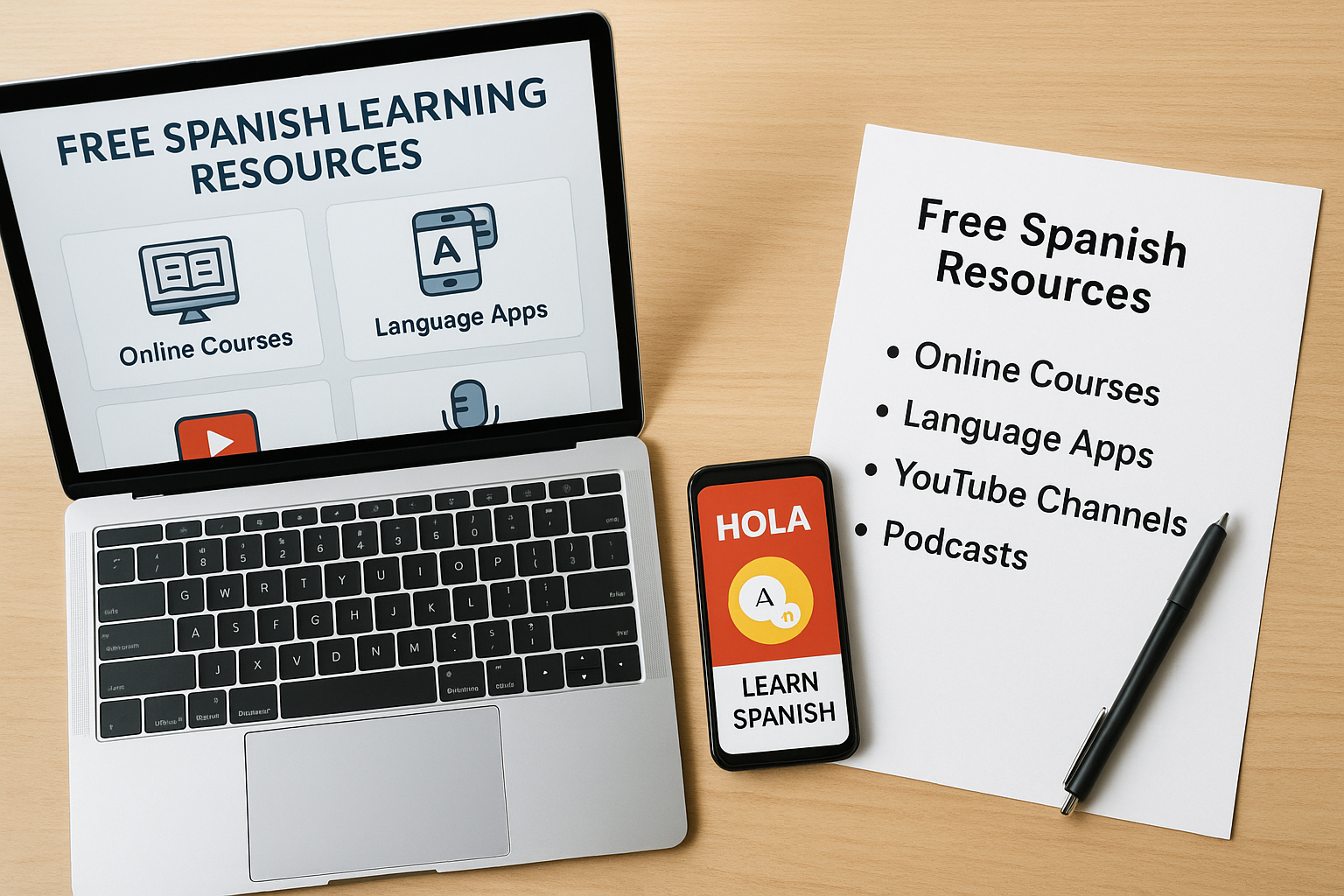
You don't need to spend a fortune to learn Spanish effectively. The internet offers remarkable free resources that rival paid options in quality.
Supplement free courses and apps with Spanish YouTube channels, language exchange partners, and free reading materials online. Many paid resources offer free tiers that provide substantial content before requiring a subscription.
Remember that premium resources aren't inherently better—they simply offer more features and convenience. A motivated learner can achieve fluency using primarily free resources combined with discipline and strategy.
DELE Ahora offers many free exercises for vocabulary, grammar, listening, and reading comprehension aligned with the CEFR.
Learning Spanish is a journey that looks different for everyone. The best resources to learn Spanish are those that align with your personal goals, fit your lifestyle, and most importantly—keep you engaged and motivated over the long term.
Don't be afraid to experiment with different resources until you find your perfect combination. Start with one or two tools from different categories, establish a consistent routine, and add resources as you progress. Your Spanish skills will grow steadily with the right resources and regular practice.
Ready to dive deeper into specific resource types? Explore our detailed guides on apps, courses, audio resources, and entertainment options to find the perfect tools for your Spanish learning adventure.
¡Buena suerte! (Good luck!)
Stay inspired on your Spanish journey with occasional updates, new articles, and helpful resources.