- Home
- Best Resources to Learn Spanish
- Best Shows to Learn Spanish
Best Shows to Learn Spanish: Learning Through Real Spanish
When you decide to learn Spanish, one of the most enjoyable methods is watching television. If you're searching for the best shows to learn Spanish, you're on the right track—there's something powerful about learning from TV shows. You get real pronunciation, cultural context, and emotional engagement that textbooks simply can't provide.
However, here's something important to understand from the start: watching shows alone won't make you fluent in Spanish. This is a crucial point that many language learners miss. While watching some of the best shows to learn Spanish is an excellent approach for building listening comprehension and exposure to natural speech, it must be part of a comprehensive learning strategy that includes structured study, active production (speaking and writing), and conversation practice. Think of shows as one valuable piece of a larger puzzle, not the complete solution.
If you've been wondering whether watching TV works for language learning, the answer is yes—when combined with other resources and methods. Television isn't just entertaining; it's one of the most effective ways to train your ear, internalize natural speech patterns, and pick up vocabulary in an authentic context. With the right show at your level, combined with other learning methods and guided instruction, you'll be surprised by how much Spanish you start to understand.
Let's explore what are some of the best shows to learn Spanish, how to use them effectively, and which specific shows are perfect for your current level. Understanding the best way to learn Spanish for your situation will help you integrate TV viewing into a complete, balanced learning strategy.
What do the Best Shows to Learn Spanish Have?
Television provides something that apps and textbooks cannot: real-world context, emotion, and authentic language in natural situations. However, while some TV shows can be an awesome experience, not all of them provide the same learning opportunities. So, which are the best shows to learn Spanish? It depends on your specific situation, but these are some of the benefits you will enjoy no matter what type of show you choose.
Visuals Support Comprehension: Even when you don't understand every word, the visual context helps you grasp what's happening. Facial expressions, gestures, and scene composition communicate meaning without translation.
Real Pronunciation and Rhythm: You hear how native speakers actually speak—including natural speed, accents, and intonation. This can train your ear far better than recorded lessons with perfect diction. Although sometimes that perfect diction is a first step, getting exposed to the natural way of speaking will get you further ahead,
Cultural Context: TV shows embed language within cultural situations. You learn not just words, but how Spanish speakers communicate in real life, their humor, their concerns, and their daily routines.
Emotional Engagement: When you care about characters and their stories, you're more motivated to understand. This emotional investment actually improves retention and makes learning feel less like work.
Repetition Without Boredom: TV naturally repeats vocabulary and phrases throughout episodes. Characters use common expressions multiple times, helping cement them in your memory through context rather than rote memorization.
These are the reasons why the best shows to learn Spanish can accelerate your progress when combined with other learning methods.
What to Expect When Watching Spanish Television
Before diving into Spanish-language content, it's important to set realistic expectations for what you'll encounter.
At First, You Won't Understand Everything: This is completely normal and expected. Complete beginners watching native content will catch only fragments at first. This is not a sign of failure—it's the beginning of the learning process.
Focus on the Message, Not Every Word: Your goal is not to understand every single word. Instead, focus on grasping the main idea of what's happening. Is this a serious scene or a funny one? Are the characters happy, sad, or angry? Understanding the gist is enough.
Improvement Happens Gradually: As your ear adapts to Spanish sounds and rhythms, improvement accelerates. What sounds like a blur in week one will become clearer in week three. Patience with yourself is essential.
Repetition is Your Friend: The best shows to learn Spanish are those you will want to watch more than once. Watching the same episode or scene multiple times isn't boring—it's strategic. Each viewing reveals more details and helps internalize patterns you missed before.
Two Main Methods for Watching Spanish Television
Different situations call for different approaches when using television as a learning tool.
Method A: For Content You Mostly Understand
Use this approach when you've chosen a show that's close to your current level and you can follow most of the story.
Step 1 - Get the Story (Optional): Watch once with English subtitles. This is optional and only necessary if you need full context first. Some learners skip this step.
Step 2 - Connect Sound to Text: Watch again with Spanish subtitles. Now you're connecting what you hear in Spanish to written Spanish. This is where real learning happens.
Step 3 - Test Comprehension: Watch a third time without subtitles. This tests your comprehension and helps internalize patterns you've absorbed from the previous viewings.
This three-step method maximizes learning from content that's at or slightly above your level.
Method B: For Content You Barely Understand
Use this approach when you're watching native content that's genuinely challenging, or when you're using shows to passively build listening skills.
Watch Passively: Relax and don't try to translate or understand everything. The goal isn't comprehension yet—it's training your ear to rhythm and pronunciation.
No Translation: Avoid the temptation to translate. Instead, let your brain get used to the sounds, rhythm, and patterns of Spanish speech.
Build Listening Stamina: Your goal is exposure and habit formation, not immediate understanding. Over time, your ear adapts and easier content starts to make sense faster.
Pro Tip: Use shows you already know in your own language, dubbed in Spanish. Since you know the story already, you can focus on the language without the cognitive overload of following a completely new plot.
This passive approach is valuable for building foundational listening skills while watching content above your level. While you will not learn much from this, it will make other content easier to understand, and it will accelerate your general progress when using other techniques.
Television Content by Proficiency Level
Choosing the right content for your level is crucial. A show that's too easy won't challenge you; one that's too difficult will frustrate you. Here's what works at each stage.
Absolute Beginners
Few shows are made specifically for adults at this level, but there are options designed with language learners in mind.

Dreaming Spanish (YouTube): While this isn’t really a show, this YouTube channel can be a fist step before watching some more demanding content. It showcases sideos specifically graded by difficulty level, from Superbeginner to Advanced. These aren't traditional shows but short educational videos using context and visuals to make Spanish understandable.
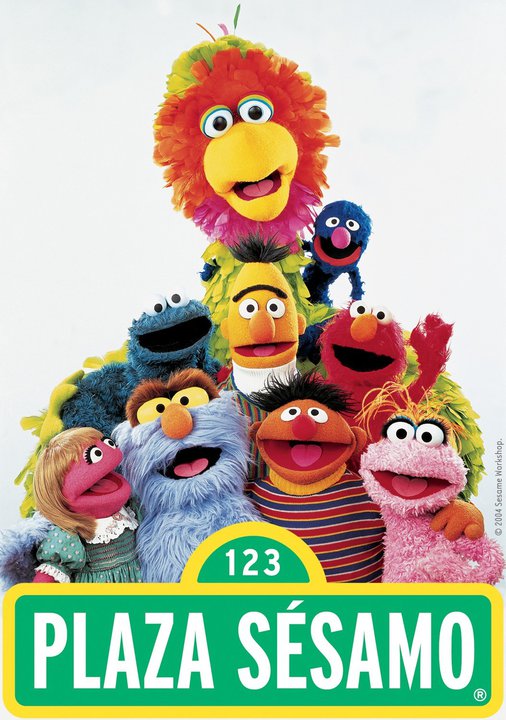
Plaza Sésamo: This is the Mexican version of Sesame Street, with the same characters, but with some new friends designed for Latin American children. Clear diction, visual humor, and repetitive vocabulary make this accessible even for absolute beginners. While it is intended for children, some adults will appreciate the humor. And while it is not designed for second language learners, it is actually one of the best shows to learn Spanish.
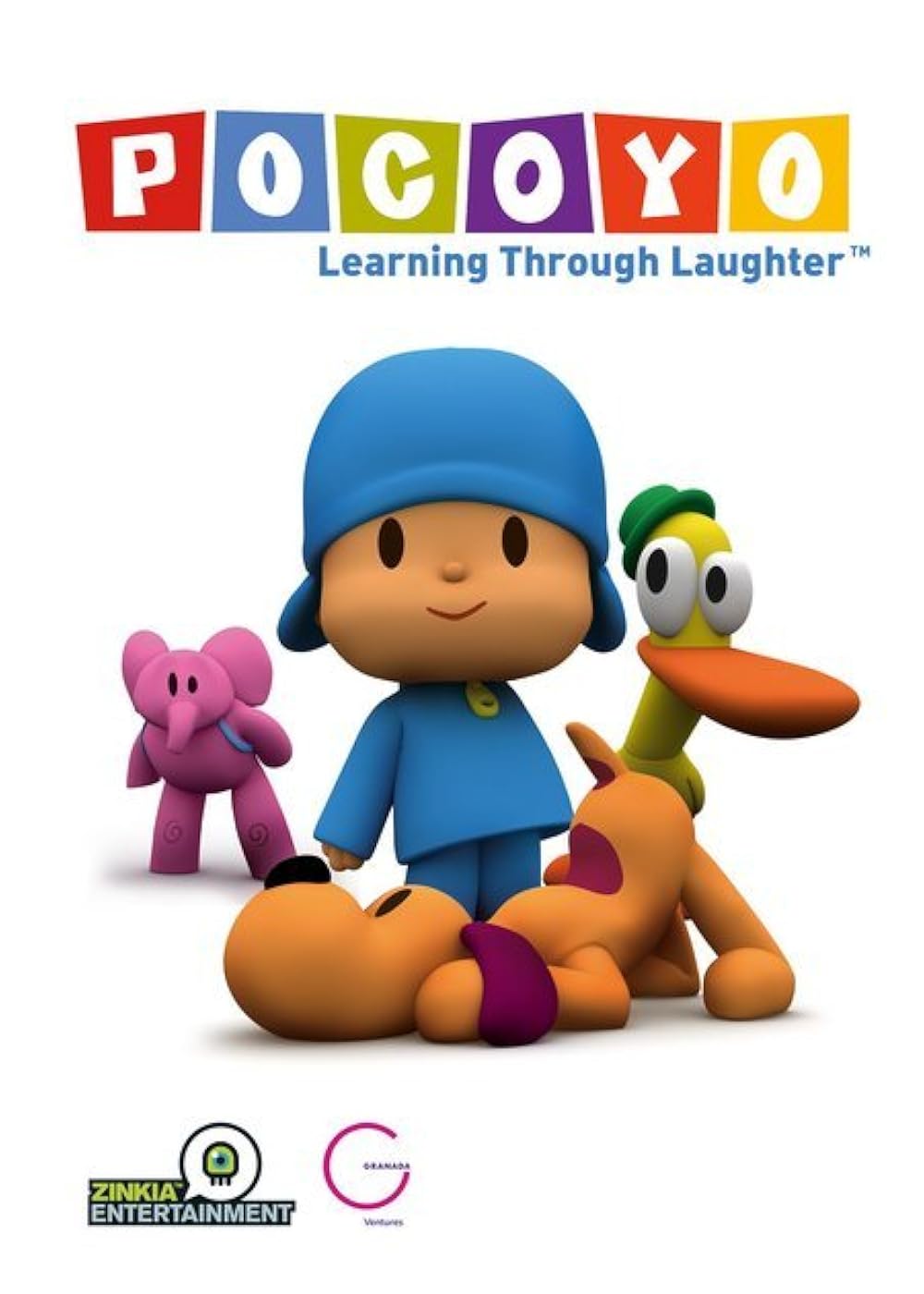
Pocoyó: Animated series about a curious young boy and his animal friends exploring the world. Short episodes with simple narration, perfect for the very beginning stage when you need simple but natural Spanish.

Destinos:
An educational telenovela following an American lawyer searching for a lost relative in Spain and Latin America. A classic series created specifically to teach Spanish to English speakers. More dated in style but excellent for structured learning.
It shows different accents and includes brief explanations between scenes.
You can find the whole series here: Destinos: An Introduction to Spanish.

Extr@ en español: A sitcom about two roommates and their neighbors getting into funny situations. Created specifically for language learners with simple plots, clear diction, and useful everyday vocabulary.
Beginners
At this level, you can understand basic ideas and want simple but natural Spanish content.
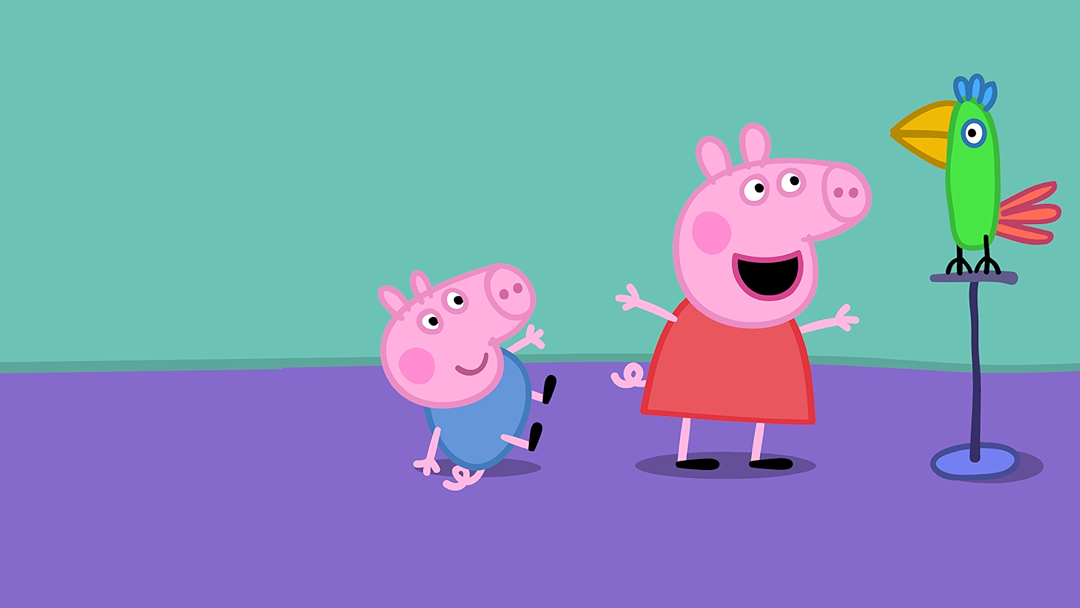
Peppa Pig (en español): Animated series about a young pig and her family's everyday adventures. Clear, short episodes with repetitive dialogue perfect for building vocabulary.
Bluey (en español): Australian animated series about a Blue Heeler puppy and her family playing imaginative games. Clear, short episodes helping you get used to natural Spanish speech patterns without complex plots.
 |
 |
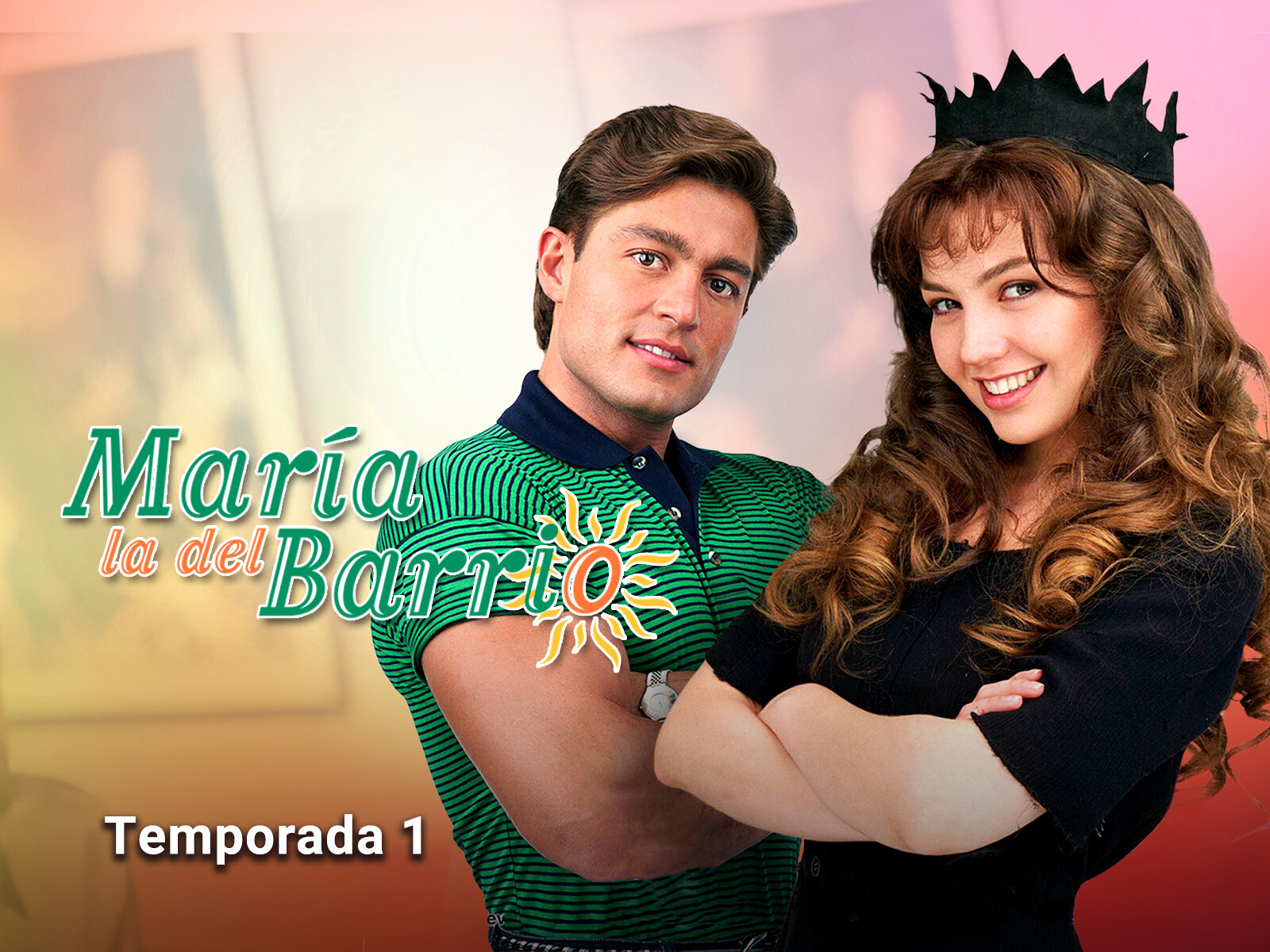
María la del Barrio: Classic Mexican telenovela about a poor young woman who faces countless obstacles but finds love and justice. Telenovelas with exaggerated acting and predictable plots—don't dismiss them! Their melodramatic style actually makes them easier to follow visually, and the familiar story structures help you anticipate what comes next.
Betty la Fea: Colombian telenovela (later adapted as "Ugly Betty") about an intelligent but unattractive woman working at a fashion company and falling for her boss. Predictable romantic plot with clear dialogue makes it accessible for beginners.
 |
 |
These shows combine comprehensible Spanish with engaging content that keeps you watching.
Intermediate Learners
At this level, you can follow normal conversations with subtitles and handle more sophisticated plots.
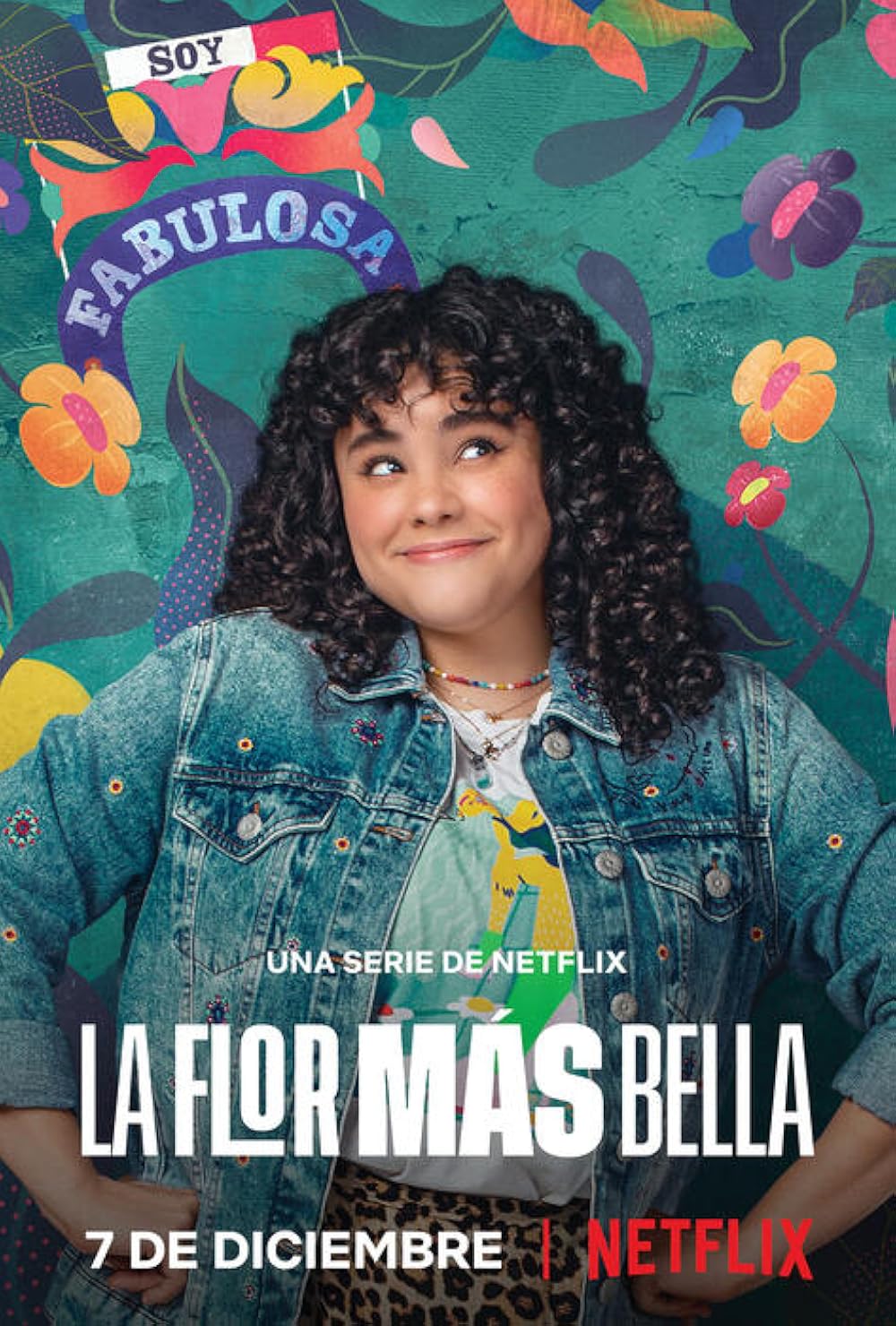
La flor más bella: Follow the heartwarming journey of a Mexican flower shop owner navigating family obligations, unexpected romance, and the challenges of keeping her business alive. This Netflix series captures contemporary Mexican life with natural dialogue that remains accessible to learners. The modern urban setting and relatable storylines make it easy to stay engaged while absorbing everyday Spanish vocabulary and expressions.
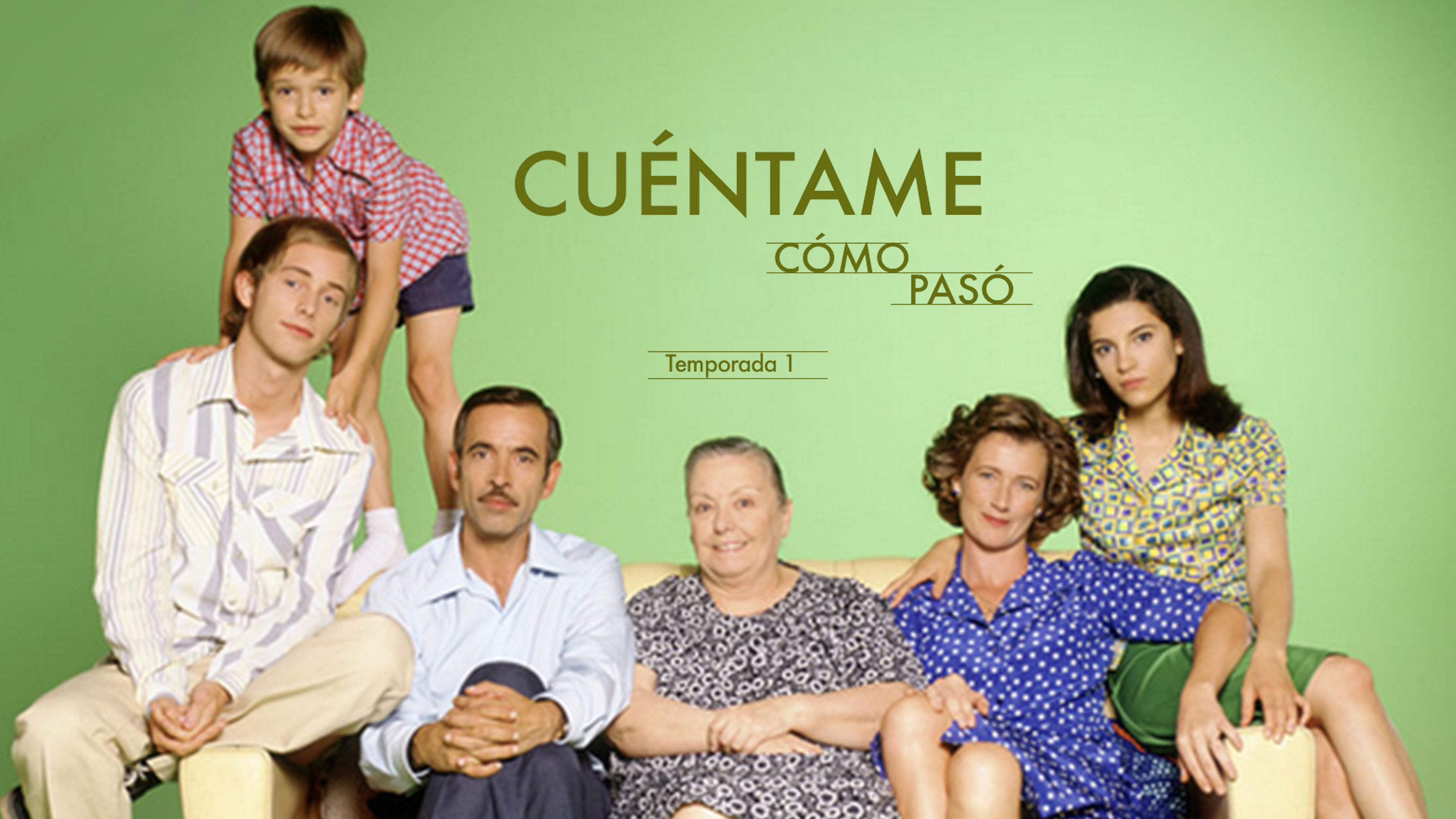
Cuéntame cómo pasó: Step back in time with the Alcántara family as they navigate life in Spain from the late Franco era through the country's democratic transition. This nostalgic family drama unfolds at a deliberate pace with exceptionally clear diction, making it ideal for learners who need time to process what they're hearing. The historical context provides cultural insight while the family-centered storytelling keeps plots easy to follow, even when vocabulary becomes challenging.
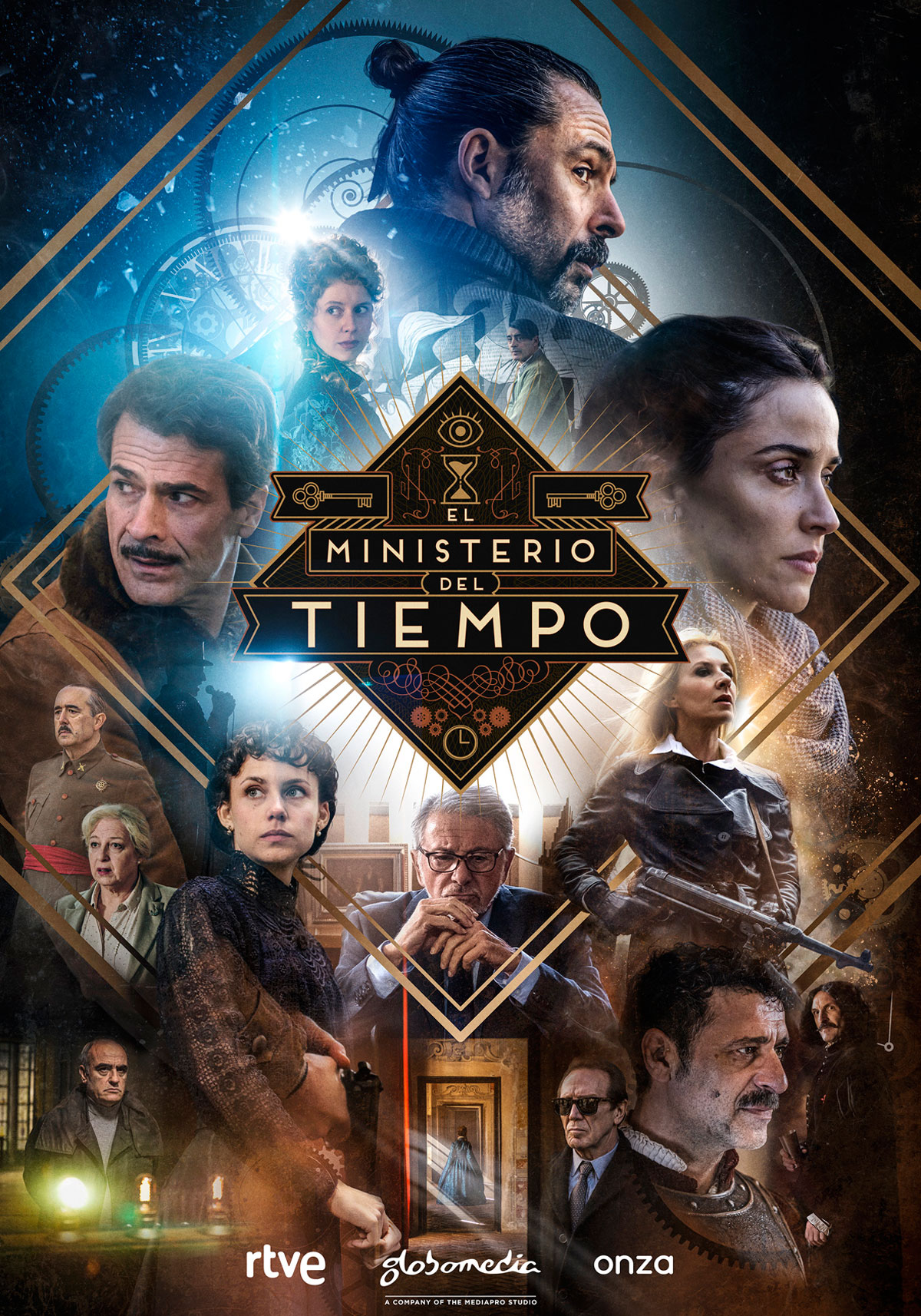
El Ministerio del Tiempo: oin a secret Spanish government agency that protects the integrity of history by monitoring doorways through time. This imaginative series combines clear pronunciation with rich vocabulary and fascinating glimpses into Spanish history across different eras. While more demanding than typical learner-friendly shows, the compelling sci-fi premise and well-structured episodes reward intermediate students ready to expand their comprehension range beyond everyday conversation.

L-Pop: Experience the dreams and challenges of young people in contemporary Mexico through this youth-oriented series featuring clear pronunciation and natural, current language. The show explores themes of ambition, friendship, and identity in settings familiar to younger audiences—schools, social gatherings, and family homes. The contemporary dialogue reflects how Spanish is actually spoken by younger generations today, making it particularly relevant for learners who want to understand modern conversational Spanish.

Gritos de muerte y libertad:
This historical miniseries explores pivotal moments in Mexican Independence with formal register and literary language that transports viewers to another era. The elevated dialogue and historical context make this series perfect for learners interested in understanding more formal Spanish and expanding their vocabulary beyond everyday conversation.
It features clear diction, and while the register is more formal, it's easier to understand every word that is being pronounced.
While challenging, the limited episode count makes it an achievable goal for dedicated intermediate learners.
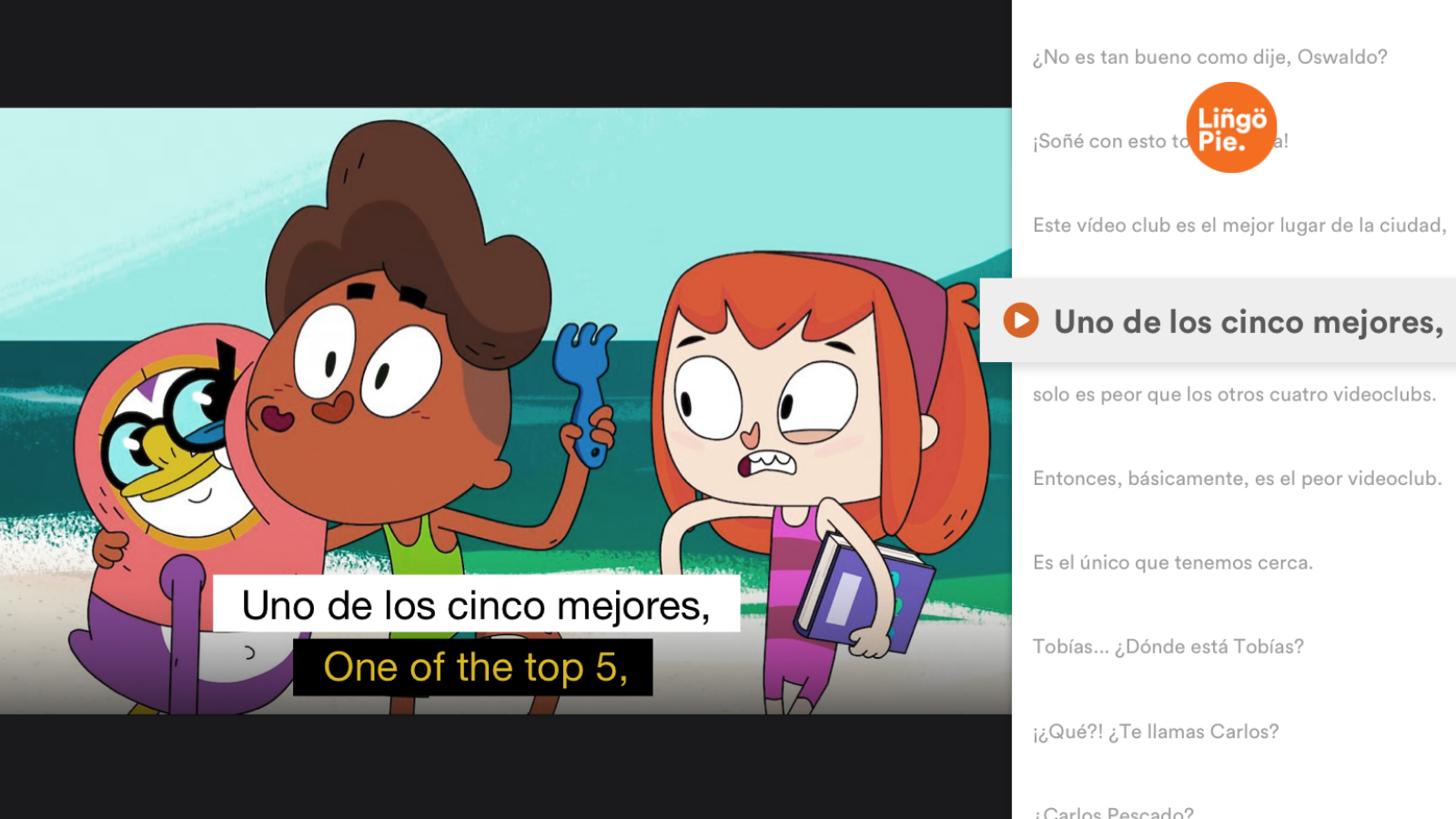
Lingopie: If you want a more structured approach to learning through Spanish shows, Lingopie is a platform specifically designed for this purpose. It offers Spanish TV shows, movies, and interactive lessons alongside the content, with clickable subtitles that provide translations and vocabulary definitions. This bridges the gap between passive watching and active learning, giving you the benefits of real Spanish content with built-in support.
These intermediate options challenge you while remaining comprehensible with Spanish subtitles.
Advanced Learners
You can handle native content without simplification or special consideration for learners.

Las chicas del cable: Transport yourself to 1920s Madrid where four women working at Spain's first national telephone company navigate the constraints of their era while forging unexpected friendships and pursuing forbidden loves. This period drama features sophisticated Spanish and intricate plots that weave together themes of female empowerment, class divisions, and social change. The historical setting introduces vocabulary related to early 20th-century technology and social mores, while the complex character relationships provide rich dialogue practice.
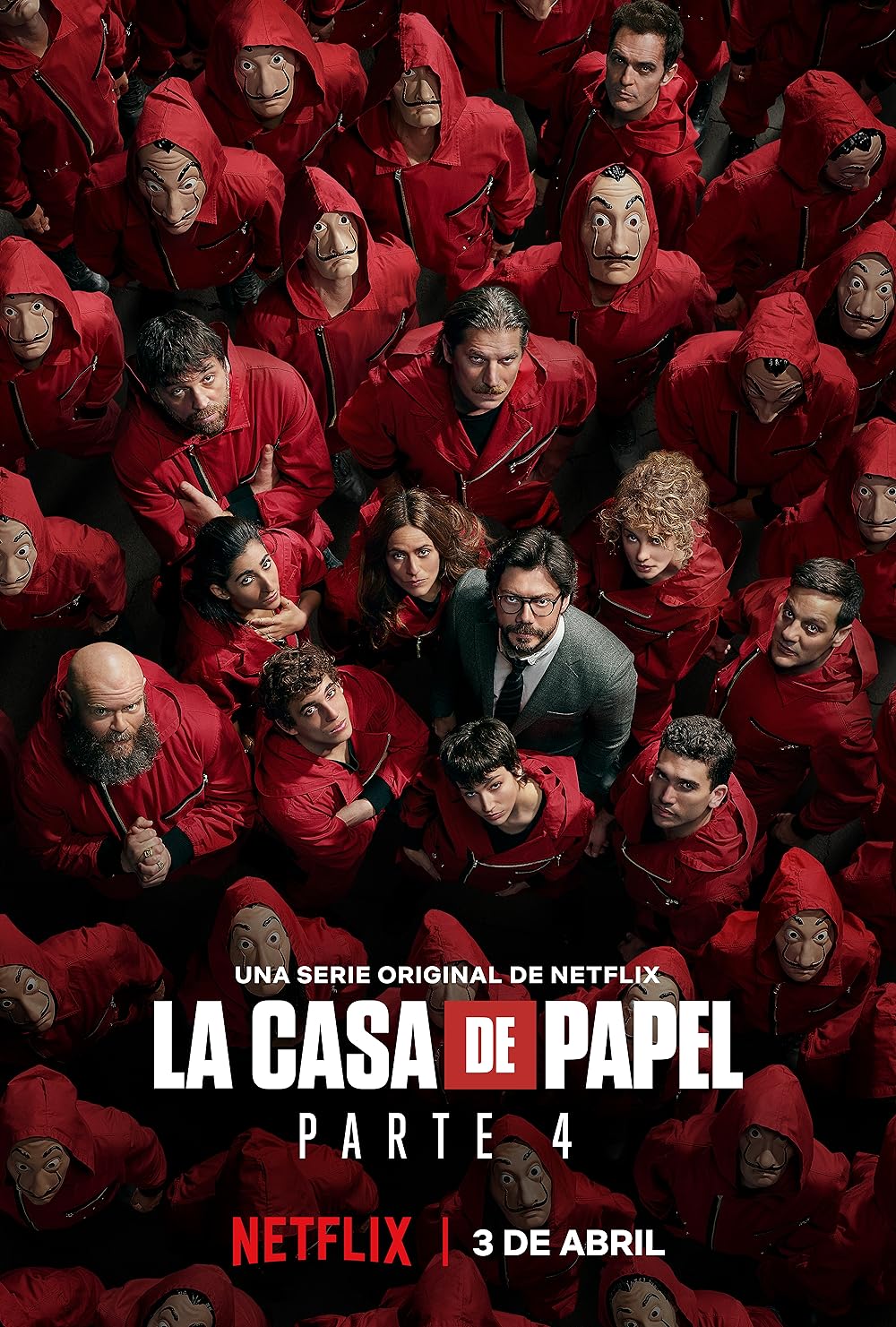
La casa de papel (Money Heist): Watch a criminal mastermind orchestrate ambitious heists on Spain's Royal Mint and Bank of Spain in this edge-of-your-seat crime thriller with dynamic dialogue and contemporary Spanish. The high-stakes tension and clever plot twists keep you engaged while exposing you to rapid-fire conversations, technical vocabulary, and diverse Spanish accents. The show's international success means you'll learn Spanish that Spanish speakers worldwide are discussing.
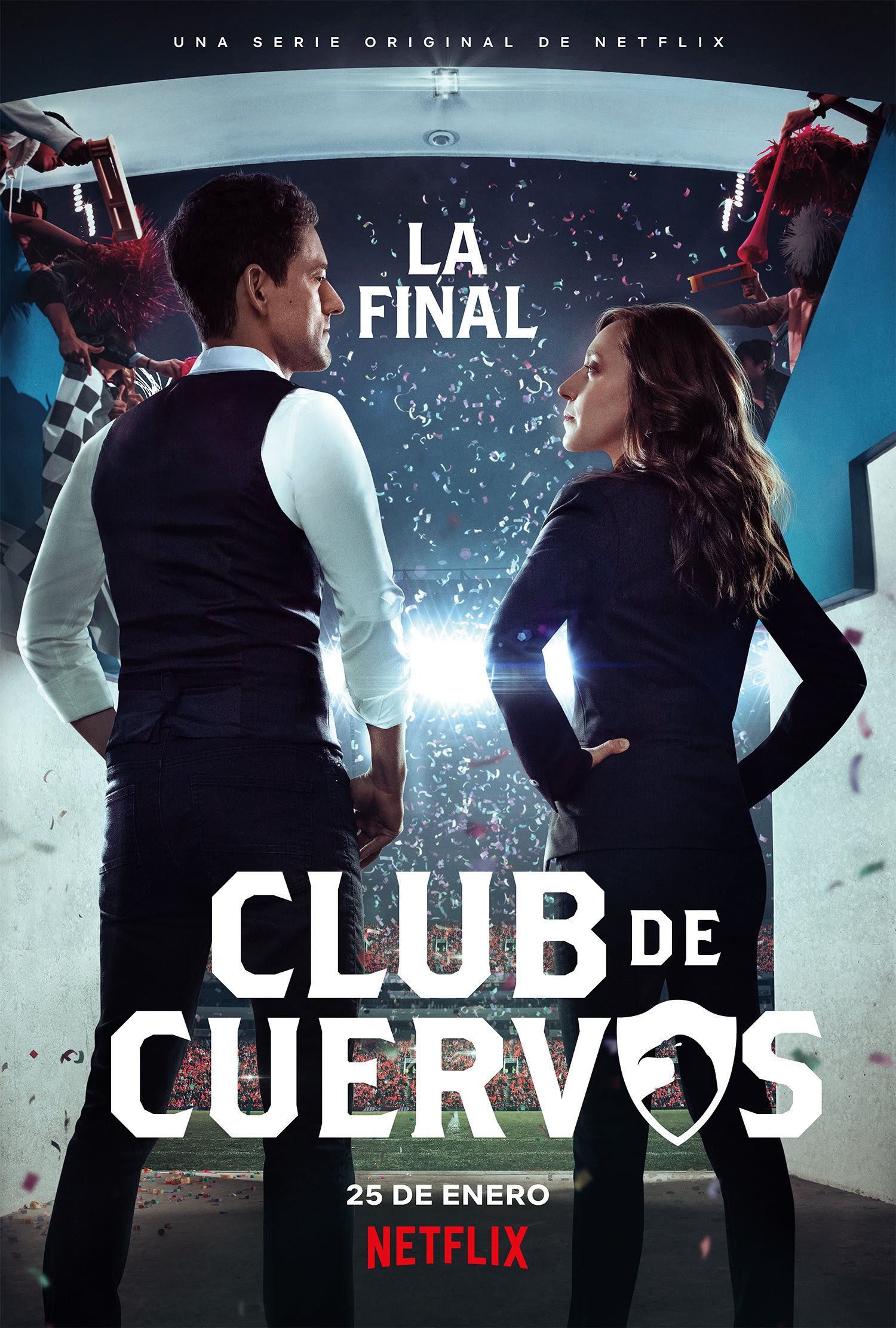
Club de Cuervos: Enter the dysfunctional world of a wealthy Mexican family fighting for control of their professional soccer team in this sports comedy-drama showcasing natural Mexican Spanish and contemporary themes. The sibling rivalry, corporate intrigue, and locker room dynamics introduce vocabulary spanning business, sports, and family relationships. The comedic tone makes complex situations more accessible, while the very Mexican cultural references provide authentic insight into modern Mexican society.
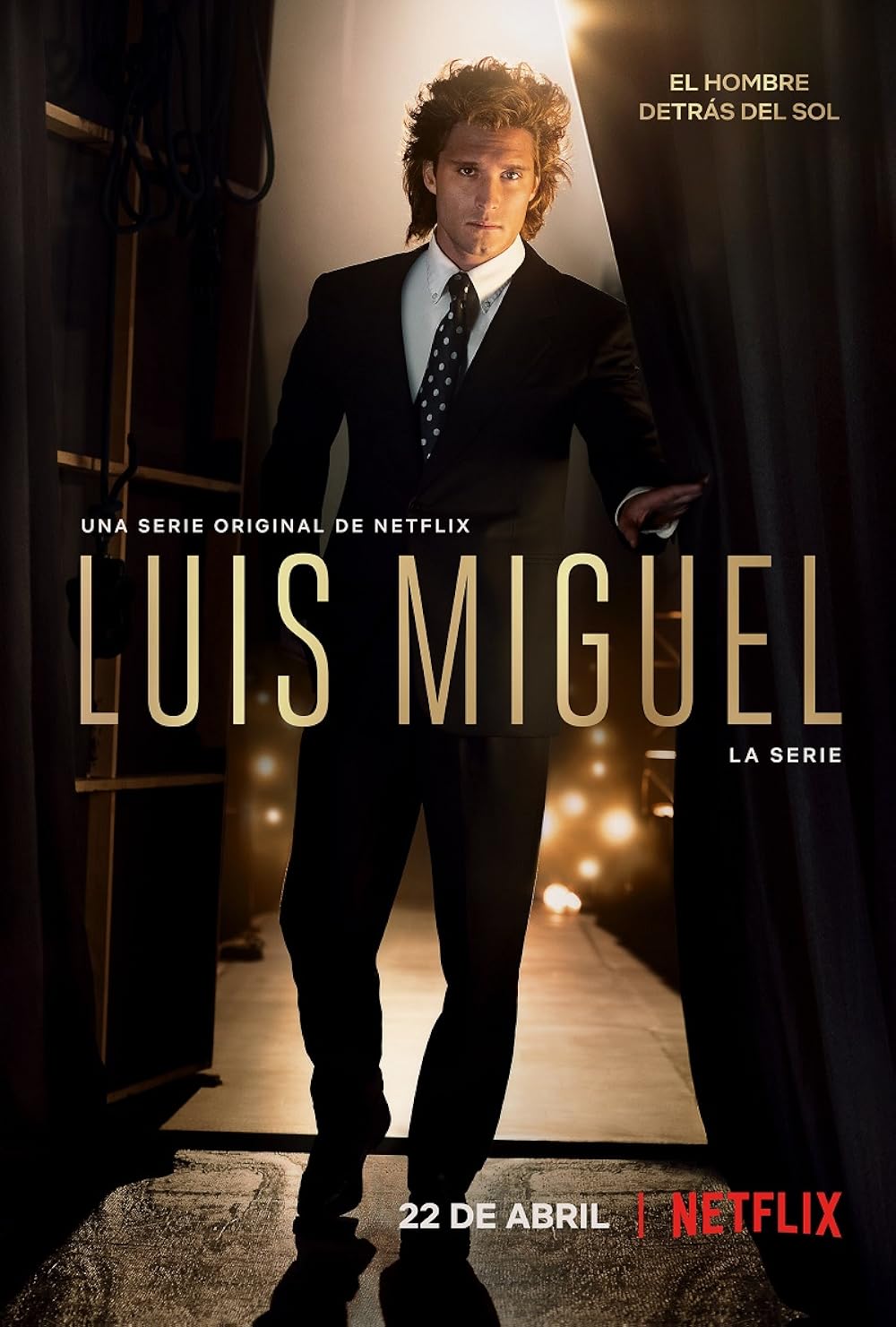
Luis Miguel: La serie: Experience the rise of Latin America's most iconic singer through this biographical drama that spans decades, featuring varied Spanish registers and deep cultural context. The series alternates between Luis Miguel's childhood in the 1980s and his adult career, exposing learners to Spanish across different time periods and social settings—from intimate family moments to high-stakes music industry negotiations. The show's exploration of fame, family secrets, and personal sacrifice unfolds through dialogue that ranges from tender to explosive.
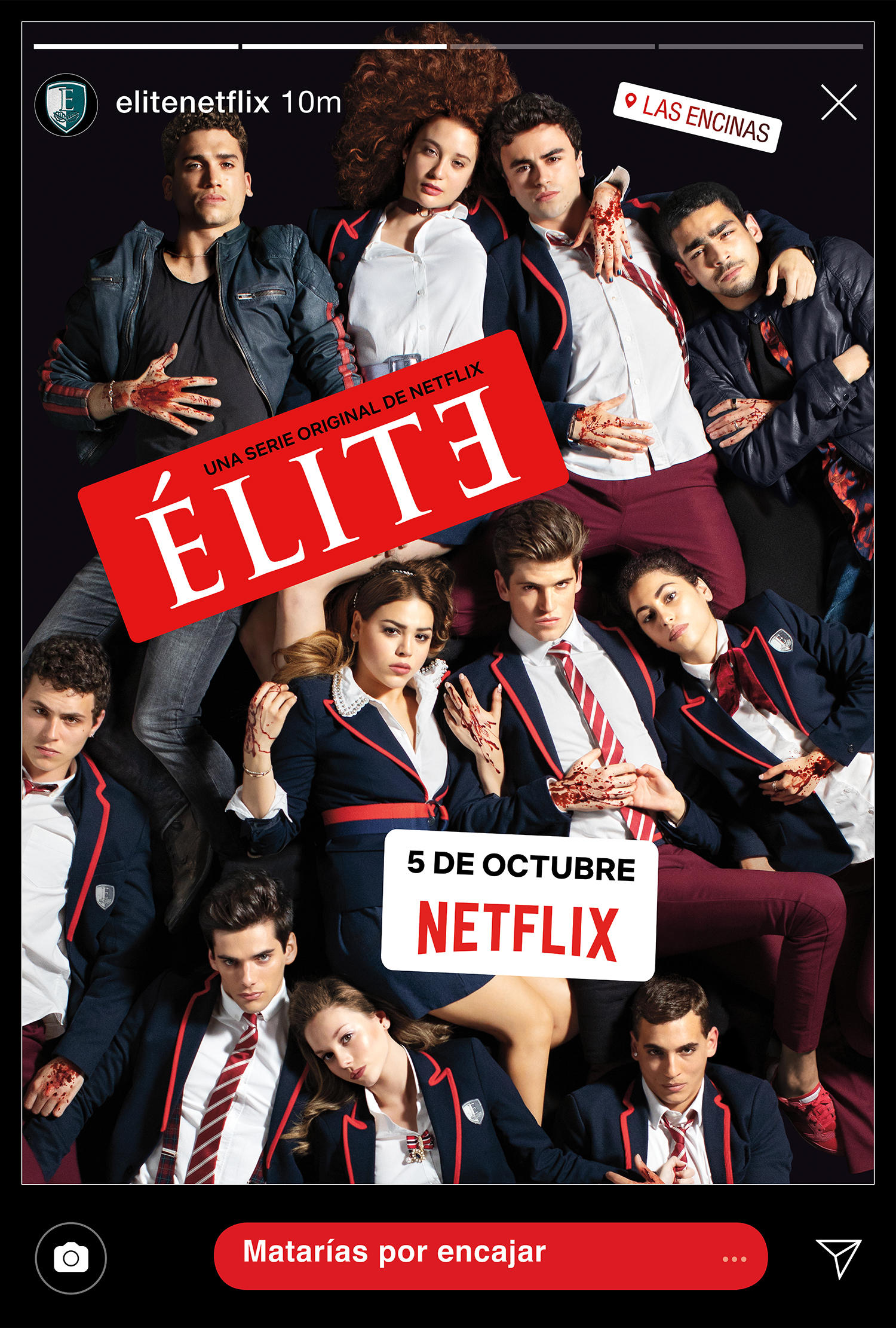
Élite: Enter an exclusive Spanish private school where working-class scholarship students collide with wealthy classmates, triggering a murder mystery in this teen drama featuring contemporary language, complex social dynamics, and challenging vocabulary. The show tackles themes of class conflict, sexuality, and identity through rapid dialogue filled with current slang and cultural references. While demanding for learners, the compelling mystery and romantic entanglements create strong motivation to push through comprehension challenges and engage with authentic Spanish as young people speak it today.
Using the Best Shows to Learn Spanish Effectively
Watching Spanish shows works best when it's integrated into a broader learning approach. Here's how to use them strategically:
Always Use Spanish Subtitles: Once you understand the basic story, use Spanish subtitles, never English. Spanish subtitles help you connect spoken Spanish to written Spanish. English subtitles create a translation bridge that actually slows your progress.
Embrace Repetition: Rewatch episodes. Watch them multiple times. Each viewing reveals new details and helps different parts of your brain process the language. This isn't lazy learning—it's strategic.
Enjoy the Process: Interest helps memory. Choose shows you genuinely want to watch, not ones that seem "good for learning." Your natural interest in the story creates emotional engagement that enhances retention.
Combine with Other Input: The best shows to learn Spanish work best as part of a broader learning strategy. Your daily practice should include structured lessons or apps for vocabulary and grammar, conversation practice with native speakers or language partners, reading at your level, and listening to podcasts or other audio content. Television is one piece, not the whole.
Track Your Comprehension: Notice what you understand now that you didn't understand weeks ago. Celebrate these small victories—they're proof of real progress.
What Television Can and Cannot Do
Be honest with yourself about television's role in your learning.
What it does well: Builds listening comprehension, introduces natural vocabulary and expressions in context, develops your ear for rhythm and pronunciation, provides cultural context, keeps you motivated through entertainment, and exposes you to different Spanish accents and speech patterns.
What it doesn't do alone: Teach you systematic grammar, give you speaking practice, provide feedback on your pronunciation, offer guided instruction on what to focus on, help you develop writing skills, give you accountability or structure.
This is exactly why watching shows must be part of a comprehensive strategy. Television alone provides exposure, but language acquisition requires production (speaking and writing), feedback, and guided learning. Combine shows with structured courses, conversation practice, and active study for balanced progress.
Understanding the best way to learn Spanish will help you build a complete learning plan that includes television as one valuable component.
Starting Your Spanish Television Journey
Ready to begin incorporating Spanish television into your learning strategy?
Step 1: Honestly assess your level. Are you a complete beginner, beginner, intermediate, or advanced?
Step 2: Choose one show from the recommendations that matches your level and genuinely interests you.
Step 3: Set a realistic viewing schedule as part of your overall learning plan. Even 20-30 minutes per week of television, combined with other learning methods, is valuable.
Step 4: Start with Method A or B, depending on how well you understand the content.
Step 5: Give it time. You won't see dramatic improvements in week one, but after 3-4 weeks of regular viewing combined with other study methods, you'll notice your comprehension improving.
Don't overthink this. The best show is the one you'll actually watch consistently while maintaining other learning activities. If you love it, you'll watch it, and that consistency, combined with your other learning efforts, is what drives progress.
Television as One Tool Among Many
While Spanish shows are powerful learning tools, remember that they're most effective when combined with active engagement and multiple learning methods. You might watch a telenovela in the evening, but balance that with morning vocabulary practice on an app, afternoon conversation with a language exchange partner, and evening podcast listening during your commute.
Take notes on interesting phrases: When you hear something useful, jot it down. Review these notes later during your structured study time.
Pause and repeat: Pause to repeat phrases you hear. This reinforces pronunciation and helps you internalize speech patterns.
Look up unfamiliar words: When you see a word in subtitles repeatedly and still don't understand, look it up. Context-based vocabulary acquisition is powerful, but direct study of important words accelerates learning.
Have conversations about what you watch: If possible, discuss the show with other Spanish learners or native speakers. "Did you watch that episode? What did you think?" Conversations help you practice real language use and integrate your passive viewing into active communication.
The best shows to learn Spanish are among the most enjoyable and effective learning tools available—but only as part of a complete strategy. Shows provide authentic language, cultural context, emotional engagement, and the kind of repetitive exposure your brain needs to internalize Spanish patterns.
The key is matching the show to your level, setting realistic expectations about progress, using it consistently, and most importantly, combining it with other learning methods. You won't understand everything at first, and that's completely normal. But after weeks of watching the best shows to learn Spanish regularly—while also studying systematically, practicing speaking, and engaging with Spanish in multiple ways—you'll be amazed at how much Spanish you suddenly understand.
Start today. Choose a show that interests you at your level, hit play, and let it become part of your comprehensive learning journey. Your ear will adapt, your comprehension will grow, and before long, you'll be following Spanish conversations with ease.
¡Que disfrutes! (Enjoy!)
Stay inspired on your Spanish journey with occasional updates, new articles, and helpful resources.