- Home
- Best Resources to Learn Spanish
- Best Book to Learn Spanish
The Best Book to Learn Spanish: A Complete Guide for Self-Learners
Books remain valuable tools when learning Spanish. They provide structure, clarity, and reference points that help you understand how the language works. Many learners search for the best book to learn Spanish, hoping to find a single resource that will take them to fluency.
However, even the best book to learn Spanish has inherent limitations. Books cannot provide sound—the pronunciation, rhythm, and intonation that make Spanish real. They cannot teach you how native speakers connect words in natural speech. For beginners, books usually offer explanations in English because understanding grammatical concepts in a language you don't yet speak is nearly impossible.
Books serve as guides, not sources of fluency. True fluency develops through extensive exposure to Spanish content, particularly through listening. The best book to learn Spanish is the one that helps you build a foundation quickly so you can transition into consuming real Spanish as soon as possible.
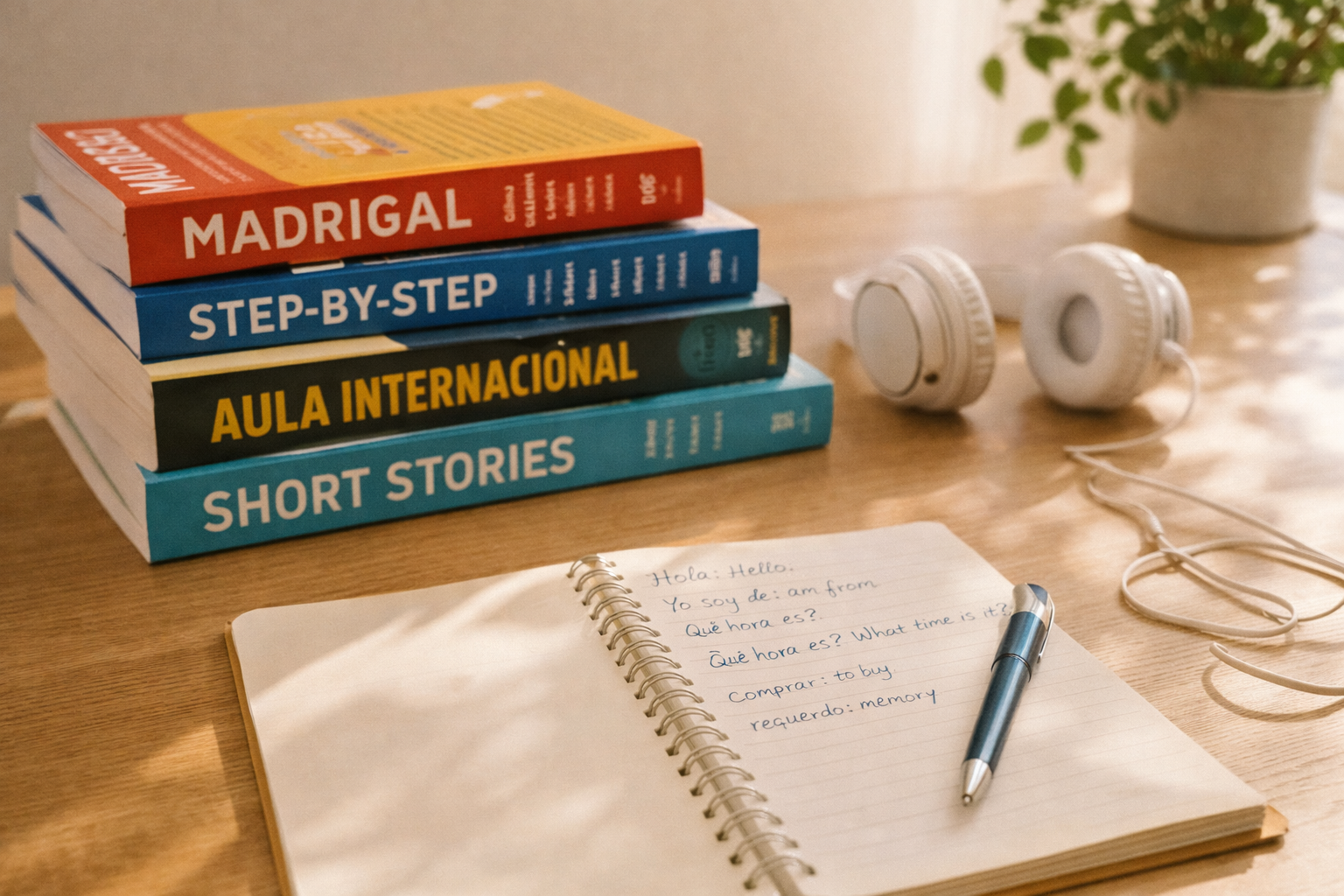
Why Books Matter When You Are Starting Out
English explanations help beginners grasp Spanish structure without confusion. When you're first learning that Spanish verbs conjugate differently for each person, or that adjectives generally come after nouns, having these patterns explained in your native language prevents frustration and saves time.
Books provide clarity during the overwhelming early stages. Spanish can feel chaotic at first—unfamiliar sounds, different word order, verb forms that change constantly. A well-structured book organizes this information logically, showing you what matters most and what can wait.
This stage is temporary. The goal isn't to study Spanish forever through English explanations. The goal is to understand enough structure that you can begin engaging with Spanish directly. Books with English explanations serve as a bridge, not a destination.
Eventually, you need to transition toward thinking in Spanish rather than translating. This happens when you consume Spanish content designed for learners—content you mostly understand, but that stretches you slightly. Books help you reach this point faster by establishing foundational patterns clearly.
The Limitations of Books
Books Cannot Teach Sound
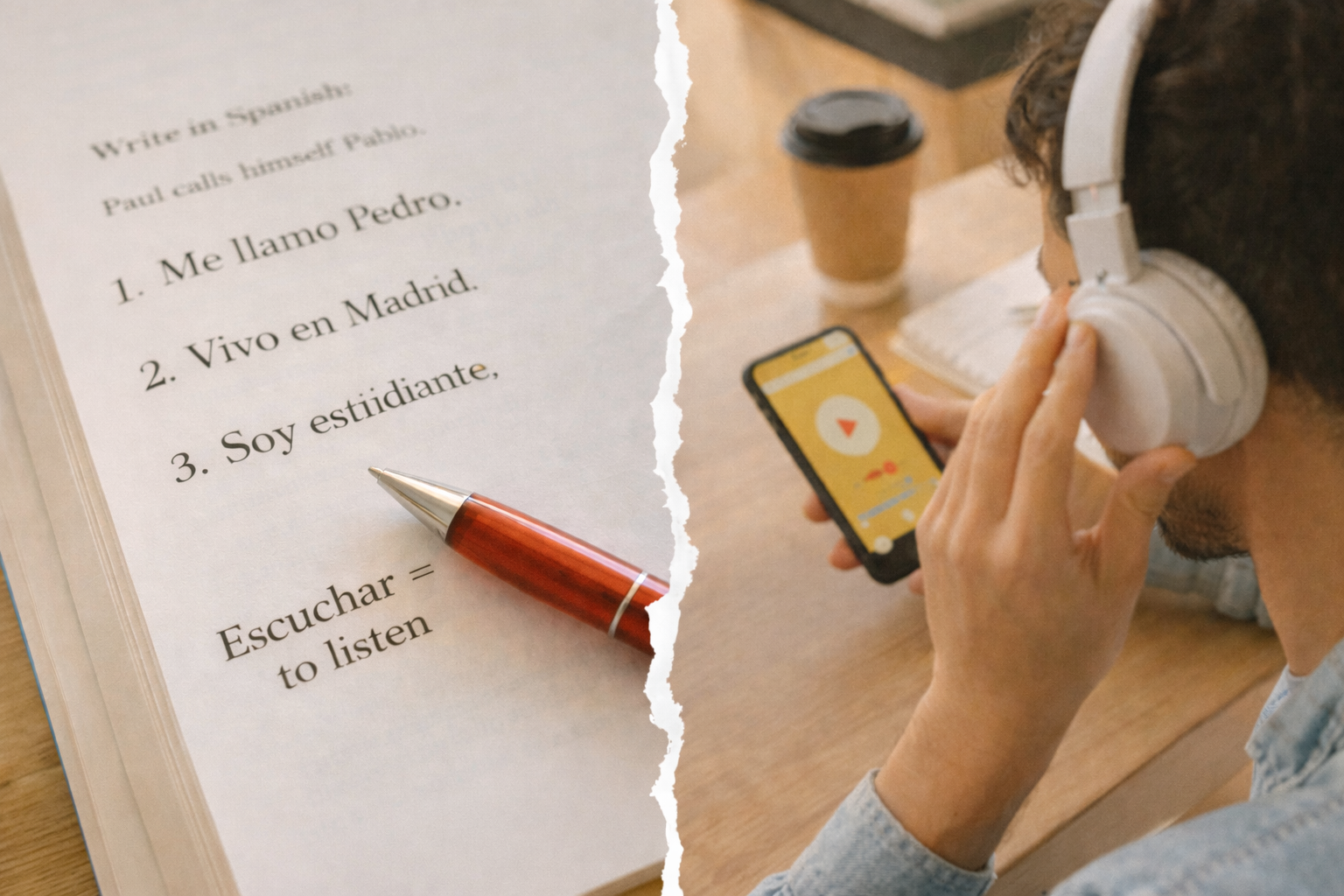
Books cannot teach pronunciation, rhythm, intonation, or how Spanish speakers naturally connect words when speaking. You might read "¿Cómo estás?" and understand what it means, but a book cannot show you that native speakers often say it as "¿Cómostás?" with barely perceptible separation between words.
Listening is essential for real-world comprehension. When you listen extensively to Spanish, your brain learns to recognize word boundaries, understand different accents, process natural speed, and pick up emotional tone. These skills develop only through hearing the language.
Reading alone creates a false sense of competence. You might understand written Spanish reasonably well but struggle to follow a simple conversation because you haven't trained your ear. Listening practice must accompany book study from the beginning.
Learning Spanish in Spanish Is Hard at First
Complete beginners benefit from English support. Trying to learn Spanish exclusively through Spanish materials when you know nothing often leads to frustration and wasted time. Strategic use of English explanations accelerates early progress.
However, staying too long with English-based materials prevents you from thinking directly in Spanish. If you constantly translate—reading "perro," thinking "dog," then visualizing the animal—you're adding an unnecessary mental step. Direct thinkers see "perro" and immediately understand the concept without routing through English.
This translation habit becomes a barrier after the beginner stage. Intermediate learners who still rely on translation struggle to follow normal-speed conversations because there isn't time to translate every word mentally. Breaking this habit requires deliberate practice with Spanish-in-Spanish materials.
Warning About Grammar-Only Study
Memorizing grammar rules does not lead to fluency. You can study conjugation charts for weeks and still freeze when trying to speak because knowing about Spanish differs fundamentally from using Spanish.
Grammar without meaningful context is difficult to remember or apply. Rules memorized in isolation don't stick because your brain has no framework for when or why to use them. Grammar understood through examples in real sentences becomes usable knowledge.
Learners acquire language naturally through exposure to comprehensible input—Spanish content they mostly understand. This doesn't mean grammar study is worthless, but it should supplement exposure, not replace it. Use grammar books as reference tools when you notice patterns in the Spanish you're consuming and want clarification, not as your primary learning method.
Criteria for Choosing the Best Book to Learn Spanish
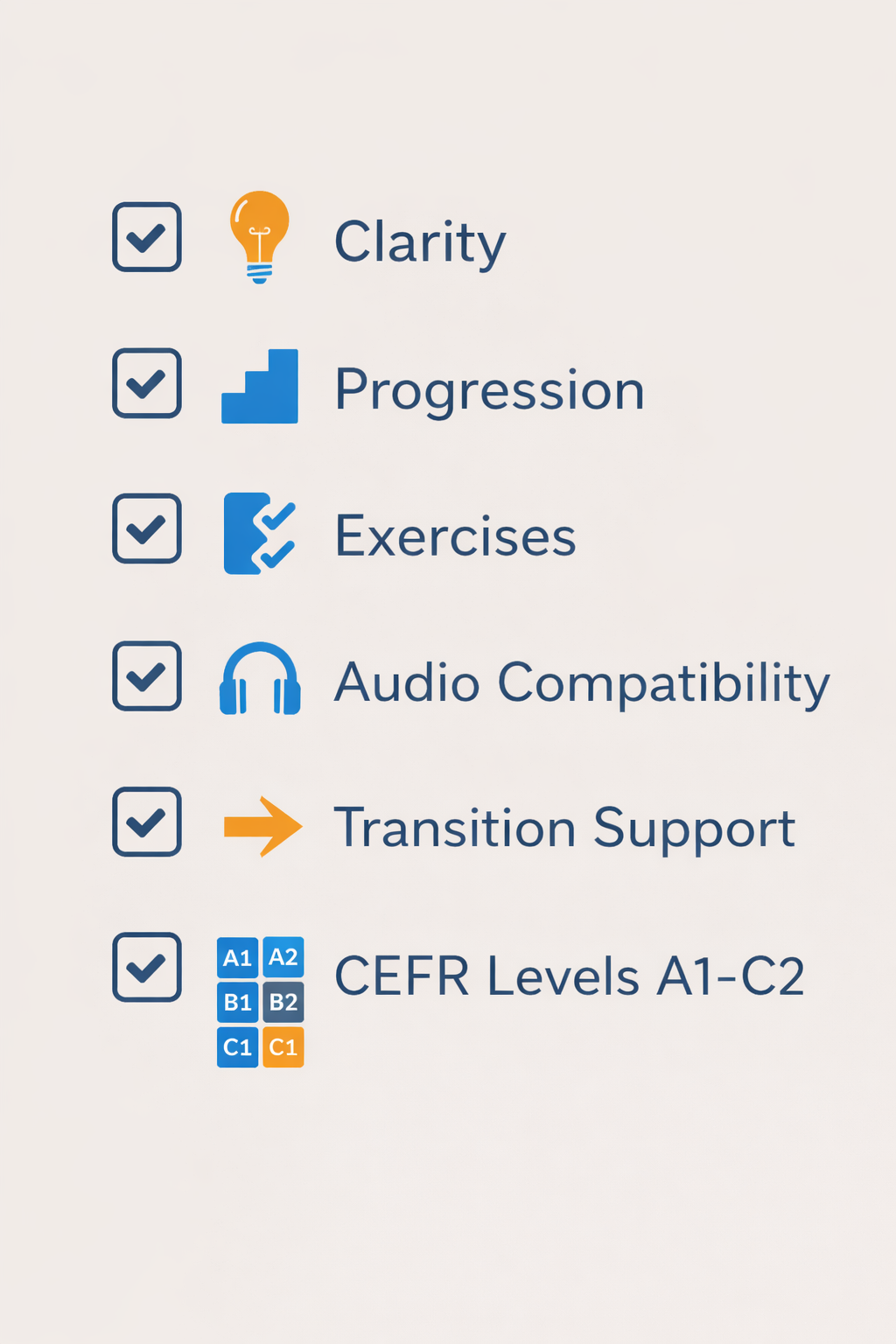
Before selecting the best book to learn Spanish for your situation, consider these essential criteria that separate effective resources from mediocre ones.
Clarity for Beginners: The book should explain concepts in straightforward language without assuming prior knowledge. Technical terminology should be minimal or well-explained.
Logical Progression: Topics should build on each other systematically. You shouldn't need to understand future tense to grasp present tense. Each chapter should feel like a natural next step.
Quality Examples and Exercises: Examples should use practical, modern Spanish. Exercises should reinforce patterns meaningfully, not just test rote memorization.
Compatibility With Audio Input: The best book to learn Spanish acknowledges its limitations and encourages pairing study with listening practice. It should prepare you for real Spanish, not just textbook Spanish.
Supports Transition to Spanish-Only Materials: Effective books recognize they're temporary tools. They should build toward independence, helping you reach the point where you can learn from Spanish resources designed for native speakers.
CEFR Alignment When Relevant: Books aligned with Common European Framework levels (A1, A2, B1, B2, C1, C2) help you track progress and set realistic goals. Not all books use this framework, but when they do, it provides useful structure.
The Best Books to Learn Spanish
Madrigal's Magic Key to Spanish
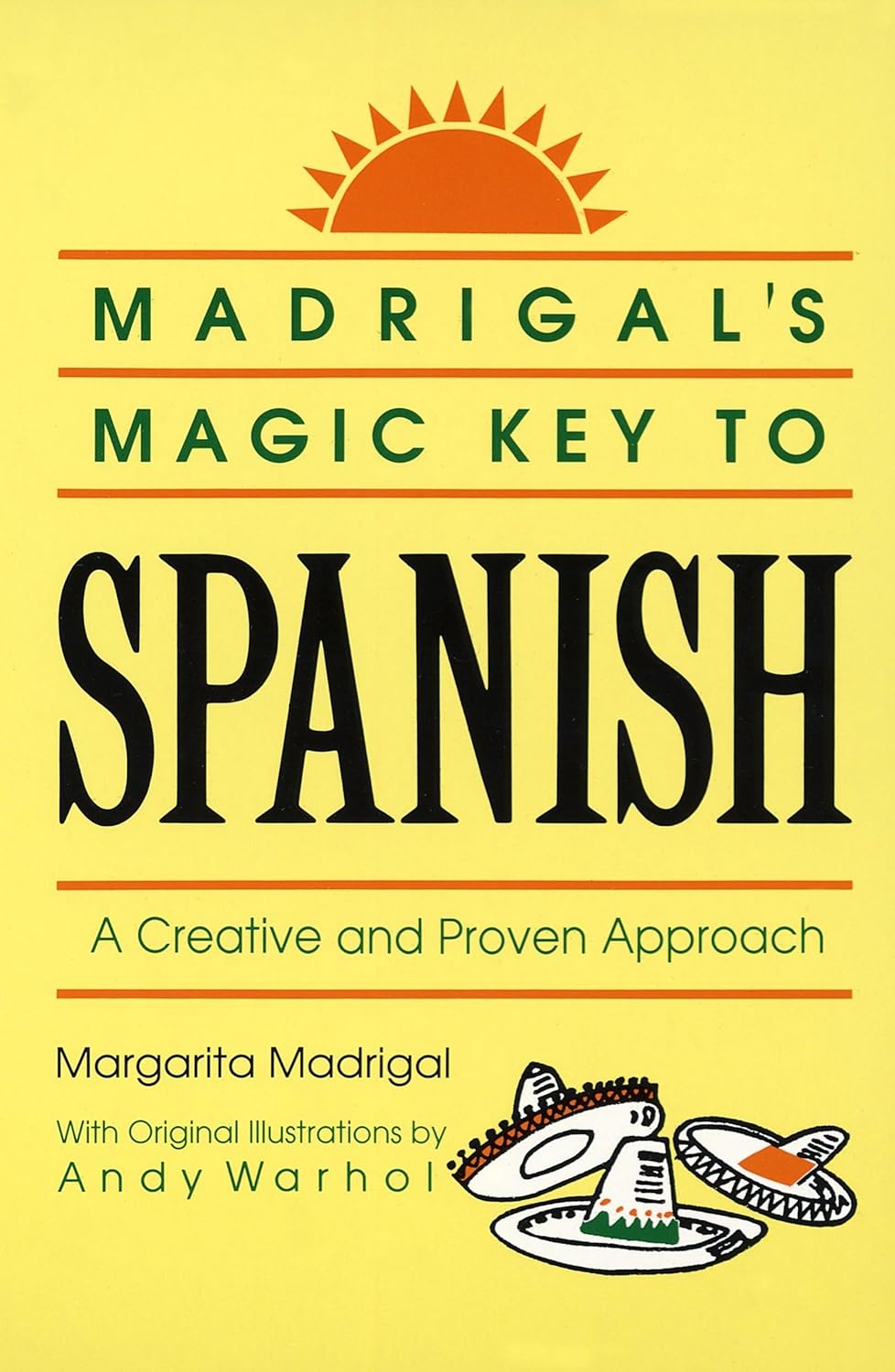
Level: Absolute beginner to early intermediate
This classic book uses an intuitive approach that helps English speakers recognize patterns between English and Spanish. Margarita Madrigal emphasizes cognates—words that look similar in both languages—and builds vocabulary rapidly by showing how many English words have Spanish equivalents. For absolute beginners seeking the best book to learn Spanish without feeling intimidated, this is an excellent starting point.
Strengths: The explanations are remarkably clear and accessible. The book removes intimidation by showing beginners they already recognize hundreds of Spanish words. The pattern-based approach helps learners understand structure intuitively rather than memorizing abstract rules.
Limitations: The book has no integrated audio, which is a significant drawback. Some vocabulary and examples feel dated since the book was originally published decades ago. The conversational style, while friendly, occasionally adds length without adding substance.
How to Use It: Treat this as a guide for understanding fundamental Spanish patterns, not as a complete course. Read a chapter, understand the patterns presented, then immediately pair that knowledge with Spanish audio content. Listen to podcasts, watch videos, or use audio lessons that reinforce what you've learned. The book provides the framework; listening provides the language itself.
Complete Spanish Step-by-Step
Level: Beginner through intermediate
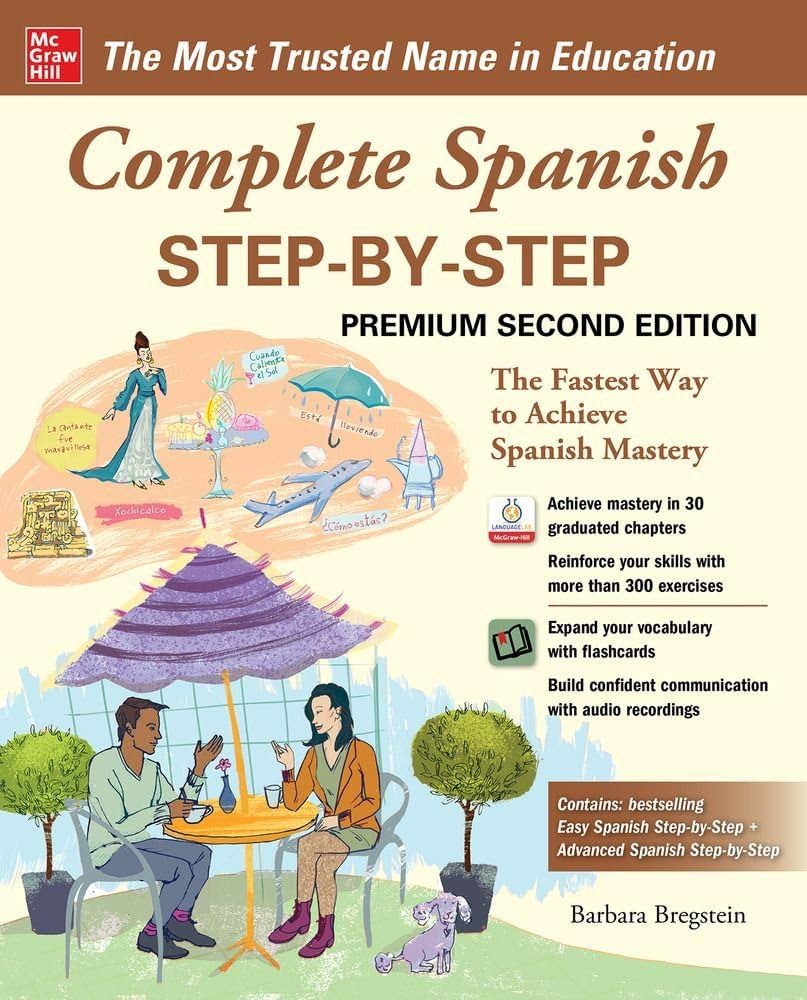
This comprehensive textbook by Barbara Bregstein covers Spanish grammar systematically from basic present tense through subjunctive and advanced structures. The organization is logical, building concepts progressively with clear explanations and ample practice exercises.
Strengths: The book is thorough and well-organized, making it excellent as a reference. Explanations are detailed without being unnecessarily complex. Exercise variety helps reinforce concepts from multiple angles. The progressive difficulty allows learners to build confidence steadily.
Limitations: The book is dense, which can feel overwhelming. There's no integrated audio, so pronunciation and listening skills must be developed separately. The focus leans heavily toward grammar explanation, which risks keeping learners in study mode rather than moving toward actual use.
How to Use It: Use this as a structured reference, not a course you work through page by page. When you notice a pattern in Spanish content you're consuming but don't fully understand it, consult the relevant chapter in this book. Read the explanation, complete a few exercises to cement understanding, then return to consuming real Spanish. This approach uses grammar study to clarify what you're already encountering, making it relevant and memorable.
Short Stories in Spanish (Olly Richards)
Level: Beginner through intermediate (separate editions for each level)
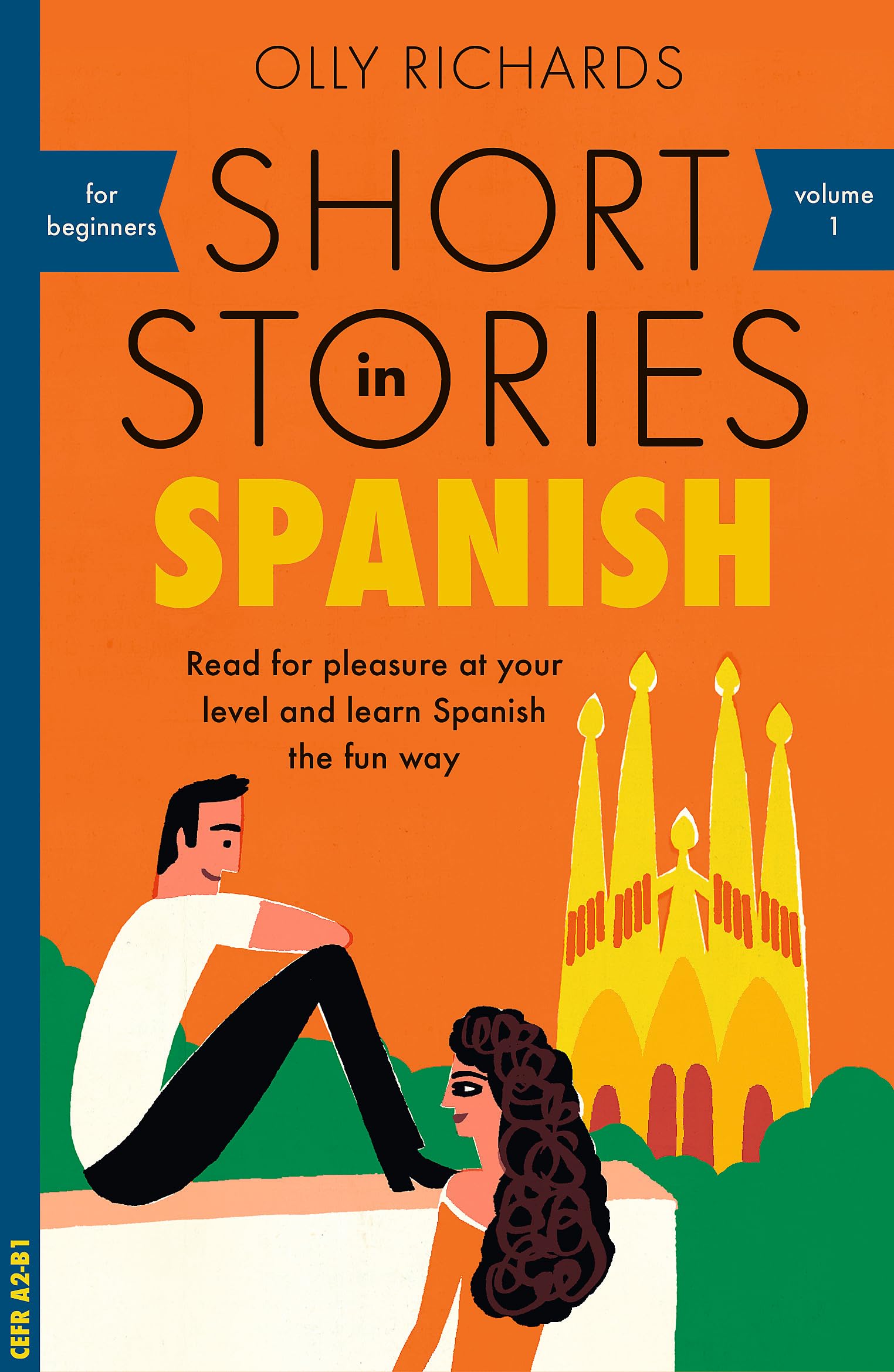
These graded readers present engaging stories written specifically for Spanish learners. Each story uses vocabulary and grammar appropriate to the level, allowing learners to read in Spanish without constant dictionary use.
Strengths: These books are crucial for transitioning from English-explained Spanish to thinking in Spanish directly. Stories provide meaningful context that makes vocabulary and grammar memorable. Reading in Spanish develops direct comprehension—you stop translating and start understanding. The plots are interesting enough to keep you engaged, which matters tremendously for sustained practice.
Limitations: The language is simplified compared to native-level Spanish, though this is intentional at lower levels. Some learners want more challenge, but pushing into material that's too difficult typically results in frustration and abandonment.
How to Use It: Read for general understanding, not perfection. If you grasp the main story without looking up every unknown word, you're using it correctly. Resist the urge to analyze every sentence grammatically. Let your brain absorb patterns naturally through repeated exposure. If available, pair the print version with the audiobook to develop listening skills simultaneously. Read one story every few days, re-reading favorites occasionally. This extensive reading develops reading fluency that transfers to all Spanish texts.
Aula Internacional Plus (A1–C1)
Level: Complete beginner (A1) through advanced (C1)
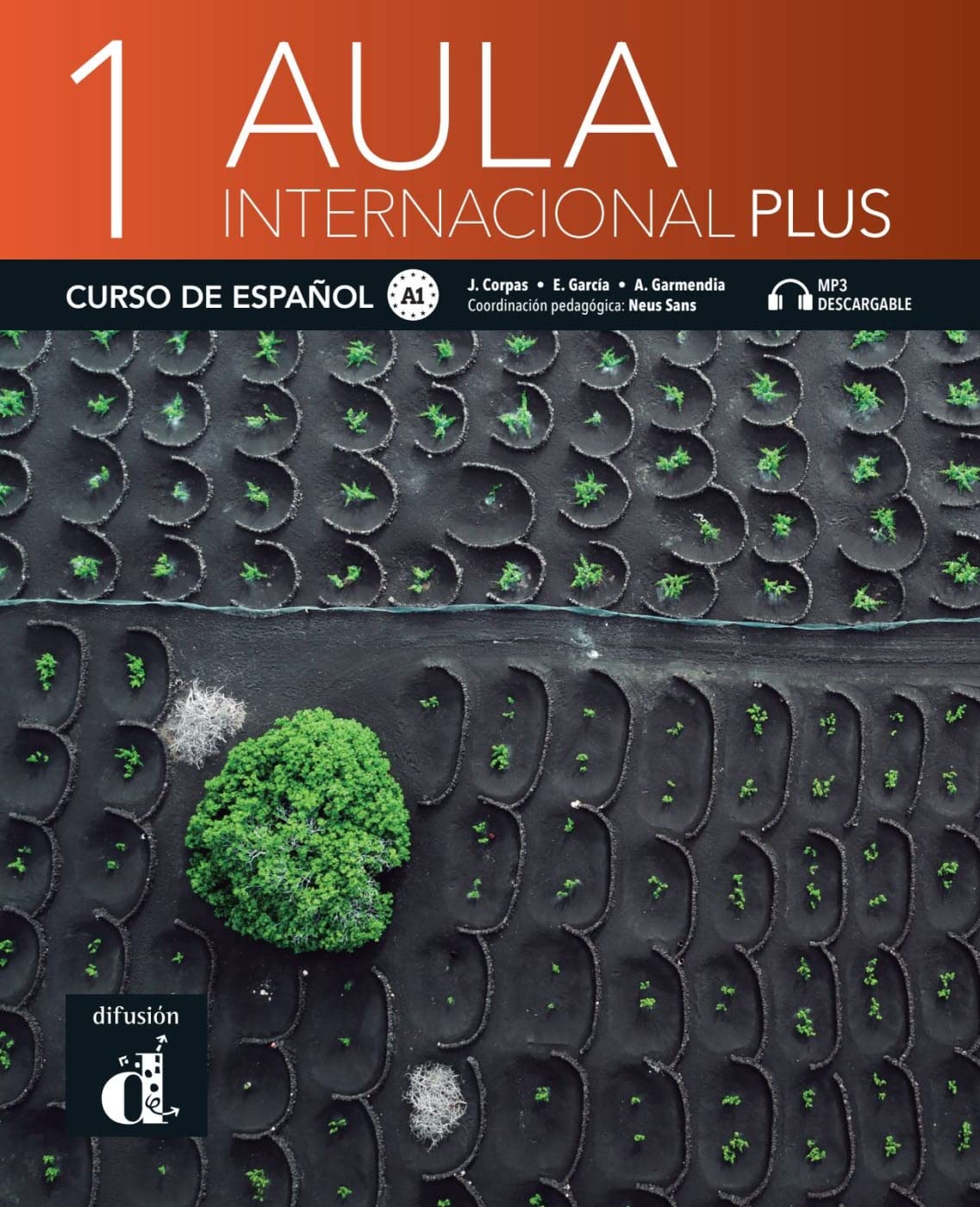
Aula Internacional Plus is a Spanish course designed primarily for classroom use but valuable for committed self-learners. Unlike most textbooks, it teaches Spanish in Spanish from the very first page, using real contexts rather than artificial exercises.
Approach: The methodology centers on tasks and real communication. Each unit presents authentic texts, problems to solve, topics to discuss, and situations to navigate—all in Spanish. Grammar isn't taught through abstract rules first. Instead, you encounter language in context, notice patterns through use, then receive brief explanations that clarify what you've already seen functioning.
Instructions appear in Spanish throughout. For absolute beginners, this initially seems impossible, but the instructions are highly repetitive. "Lee el texto," "Escucha y responde," "Trabaja con un compañero"—these phrases appear constantly, and you learn what they mean through repetition and context rather than translation.
For Self-Learners: Using Aula Internacional Plus independently requires adaptation since it's designed for classroom interaction. Here's how to approach it:
Start by using Google Translate's camera function on instructions if you're a complete beginner. This helps initially, but you'll quickly notice the same instructions repeating. Within a few units, you'll recognize them without translation.
Complete the activities even without a teacher or partner. Many exercises can be done solo by writing responses or speaking answers aloud. For pair activities, write both parts of the dialog or imagine how you'd respond in the situation presented.
Consider occasional tutoring sessions specifically to clarify confusing points or practice speaking activities from the book. However, let the book guide your learning—use the tutor to enhance and practice, not to re-teach what the book presents.
Progress through one level before moving to the next. Each level (A1, A2, B1, B2, C1) corresponds to CEFR standards, giving you clear milestones and realistic expectations about your development.
Advantages: This approach develops natural language acquisition. You learn to think in Spanish because you're never translating. The complete Spanish immersion from day one, though challenging initially, produces learners who understand Spanish directly rather than routing everything through English. The clear progression from A1 to C1 provides structure across multiple years of learning, making it valuable for long-term commitment. For learners seeking the best book to learn Spanish through immersion methodology, Aula Internacional Plus offers comprehensive coverage that few other resources match.
How to Transition From English-Guided Books to Real Spanish Input
Moving from learning about Spanish to understanding Spanish directly requires deliberate practice. This transition separates eternal students from actual Spanish users.
Begin incorporating Spanish-in-Spanish materials while still using English-explained resources. Don't wait until you've "finished" a textbook. As soon as you understand basic present tense and have a few hundred words, start watching content designed for Spanish learners—videos with clear speech, simple stories with visual support, podcasts that speak slowly and use context.
Gradually reduce your reliance on English explanations. When you encounter new grammar, first try to understand it through examples in Spanish content. Only consult English explanations when you're genuinely confused. This approach trains your brain to recognize patterns intuitively rather than always analyzing through translation.
Spanish stories for beginners serve as perfect bridge materials. They're written in Spanish but structured for your level, allowing you to read in the target language with high comprehension. This reading develops the direct thinking that fluency requires.
Eventually, you must think in Spanish to achieve real fluency. This doesn't happen through English-medium study, no matter how good the textbook. It happens through consuming Spanish content extensively—reading, listening, watching—until Spanish patterns become intuitive rather than analyzed.
Why Fluency Comes From Exposure, Not Study
Comprehensible input—Spanish content you mostly understand—drives language acquisition. When you listen to or read Spanish that makes sense to you, your brain naturally absorbs vocabulary, grammar patterns, pronunciation, and how native speakers actually use the language.
The brain acquires language through meaningful exposure, not rule memorization. Children become fluent without studying grammar because they're constantly exposed to language in context. Adults can accelerate this process through strategic study, but exposure remains essential.
Listening is indispensable for developing real-world Spanish skills. You cannot become conversationally fluent without extensive listening practice. Your ear must learn to process Spanish at natural speed, understand different accents, and follow conversations in noisy environments.
Memorization and grammar study alone do not create the automaticity fluency requires. Knowing conjugation rules doesn't make verbs flow naturally when you speak. That automaticity develops through using Spanish repeatedly in meaningful contexts until correct forms become automatic.
Extensive exposure builds instinctive understanding. When you've heard "me gusta" thousands of times in context, you use it correctly without thinking about why the verb is conjugated in the third person (he/she/it) when it is expressing an idea about the first person (I). The pattern becomes intuitive through exposure, not through analyzing the rule.
How to Combine Books With Audio (Practical Weekly Plan)
Effective Spanish learning balances structured study with extensive input. Regardless of which you consider the best book to learn Spanish, it will work most effectively when combined with regular audio practice. Here's a practical approach:
Beginning of Week: Study one chapter from your chosen textbook (Madrigal's, Complete Spanish Step-by-Step, or one unit from Aula Internacional Plus). Understand the patterns or concepts presented. Complete the exercises to reinforce understanding.
Rest of Week: Focus primarily on listening practice and reading. Listen to Spanish podcasts during commutes or while doing chores. Watch Spanish shows or YouTube videos designed for learners. Read one short story in Spanish or a few pages from a graded reader. The content you choose should reinforce the structures you studied earlier that week when possible.
Match Content to Study: If you studied past tense in your book, seek listening content where people tell stories about past events. If you learned food vocabulary, watch cooking videos in Spanish. This relevance makes the book knowledge immediately useful and memorable.
Why This Pattern Works: Brief focused study provides structure and clarifies patterns. Extensive input throughout the week reinforces those patterns naturally through meaningful exposure. This combination prevents both the stagnation of study-only approaches and the confusion of exposure-only approaches for beginners.
Weekly study sessions become shorter as you advance because you're learning primarily through input. Books transform from teaching tools into occasional reference resources you consult when puzzled by patterns you're noticing in real Spanish.
Additional Resource Recommendations
Podcasts: Spanish podcasts for learners provide structured listening practice with transcripts and vocabulary support. Podcasts designed for native speakers on topics you enjoy offer authentic exposure to the language.
YouTube Channels: Channels like Dreaming Spanish, Español con Juan, and Spanish After Hours offer hours of comprehensible input at various levels, all free.
Spanish Audio Stories: Platforms offering audio stories combine listening practice with narrative engagement. Look for graded audio that matches your current level.
Reading Lists: Progress from graded readers to young adult novels, then to adult literature. Each step challenges you appropriately while maintaining comprehension.
CEFR Checklists: These standardized frameworks help you assess your current level and identify specific skills to develop next, providing direction without a rigid curriculum.
So what’s the best book to learn Spanish?
Books are valuable guides in your Spanish learning journey, but they're incomplete on their own. The best book to learn Spanish is the one that helps you build foundational understanding quickly so you can transition into consuming real Spanish content.
Real learning happens through extensive exposure—listening, reading, watching, and using Spanish meaningfully. Books clarify patterns and accelerate early understanding, but fluency develops through hours of comprehensible input, not hours of study.
Madrigal's Magic Key to Spanish and Complete Spanish Step-by-Step build foundational understanding through clear English explanations. Use them as reference guides and pattern introducers, not complete courses.
Short Stories in Spanish bridge learners into Spanish immersion through engaging narratives at appropriate levels. These books develop direct comprehension and thinking in Spanish.
Aula Internacional Plus provides comprehensive Spanish-in-Spanish structured progression from beginner through advanced levels. Though designed for classrooms, committed self-learners can adapt it successfully for independent study.
For best results, combine book study with daily listening practice. Study provides structure and accelerates pattern recognition. Listening develops the authentic comprehension and instinctive fluency you're ultimately pursuing. Use books as tools that serve your exposure-based learning, not as substitutes for engaging with real Spanish.
Stay inspired on your Spanish journey with occasional updates, new articles, and helpful resources.