- Home
- Ways to Learn Spanish
- Learn Spanish in Spanish
- Learn Spanish in Spanish Translation
Learn Spanish in Spanish translation: Understanding the Phrase
If you're here looking for a learn Spanish in Spanish translation, the answer is simple:
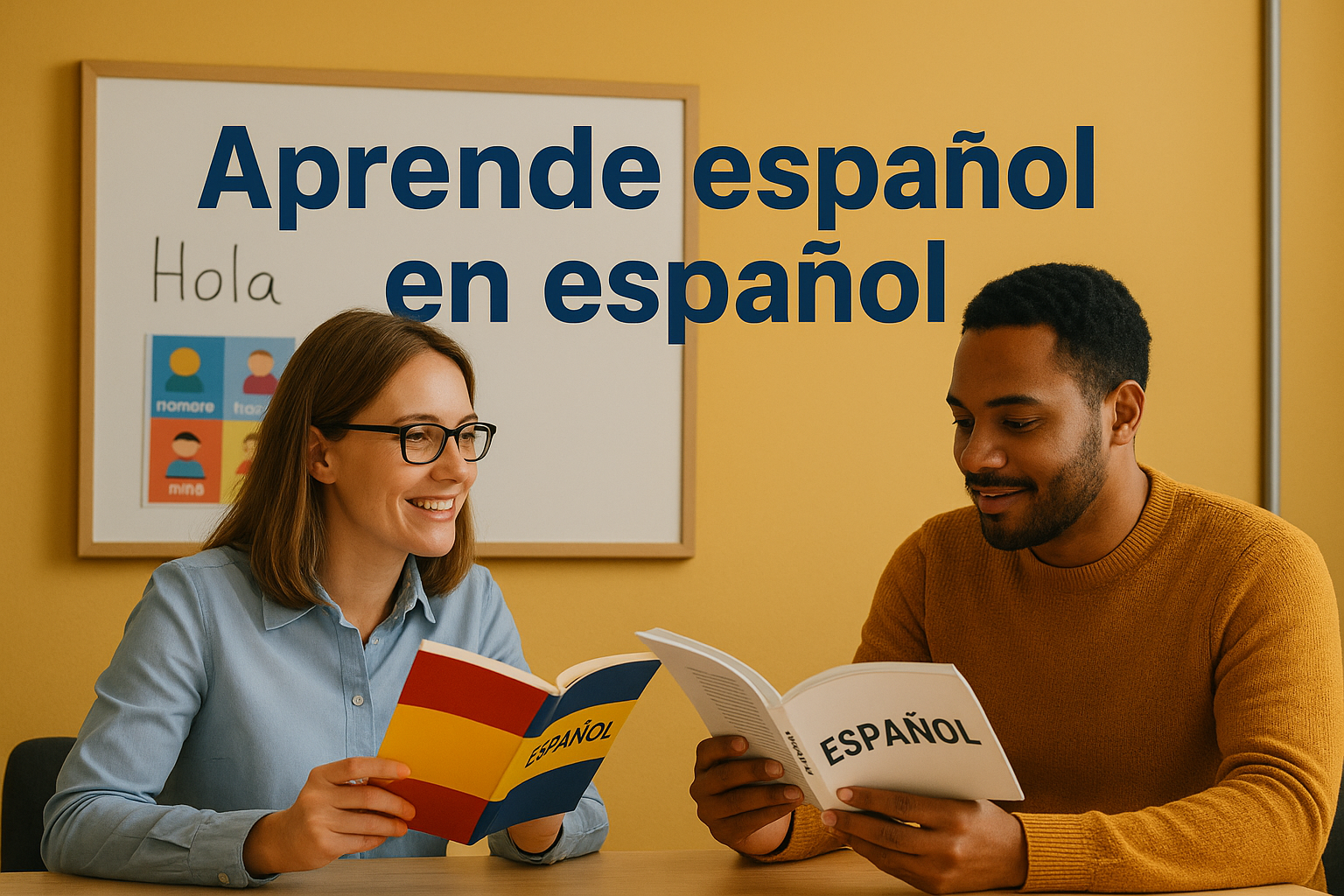
"Aprende español en español"
Or more formally: "Aprender español en español" (infinitive form)
Now, if you searched for this phrase, there's a good chance you're not just looking for the translation—you're actually interested in learning Spanish through Spanish instruction rather than through English. And that's exactly what this approach is all about.
Many people search for the learn Spanish in Spanish translation because they've heard about this immersive learning method and want to know more about it. If that describes you, keep reading—this page will point you to comprehensive information about why and how this approach works.
Breaking Down the Translation
Let's understand the phrase:
- Aprende = Learn (command form, like telling someone to do it)
- Aprender = To learn (infinitive form)
- Español = Spanish (the language)
- En = In (preposition)
- Español = Spanish (the language again)
So literally: "Learn Spanish in Spanish" or "To learn Spanish in Spanish"
You might also see variations:
- "Estudiar español en español" - To study Spanish in Spanish
- "Aprende español usando español" - Learn Spanish using Spanish
- "Curso de español en español" - Spanish course in Spanish
Why People Search for a Learn Spanish in Spanish Translation
If you found this page by searching for the translation, you're likely:
- Curious about learning without translation: You've heard about immersive methods and want to know if they're really taught entirely in Spanish.
- Looking for Spanish-only resources: You want to find courses, teachers, or materials that teach Spanish in Spanish.
- Wanting to describe this method: Maybe you're telling someone about this approach and need the right Spanish phrase.
- Considering this learning style: You're trying to decide if learning Spanish in Spanish is right for you.
Understanding what the phrase means is just the first step. The more important question is whether this approach to language learning might work for you. Let's explore what "aprender español en español" actually means in practice.
Why Learning Spanish in Spanish Works
The phrase "aprender español en español" represents a powerful learning approach. When you learn Spanish in Spanish from the beginning, you:
- Develop direct comprehension without translating in your head
- Get more exposure to Spanish since every moment of learning is in Spanish
- Train your brain to think in Spanish rather than constantly switching between languages
- Build stronger associations between Spanish words and their meanings
- Avoid the translation habit that can slow down fluency later
Many successful Spanish learners and respected language programs use this "español en español" approach because it mirrors how you learned your first language—through context, repetition, and direct experience rather than translation.
How "Aprender Español en Español" Works in Practice
When teachers use the phrase "aprender español en español," they're describing a methodology where:
All instruction happens in Spanish: From day one, the teacher speaks only Spanish. No English translations are used to explain vocabulary or grammar.
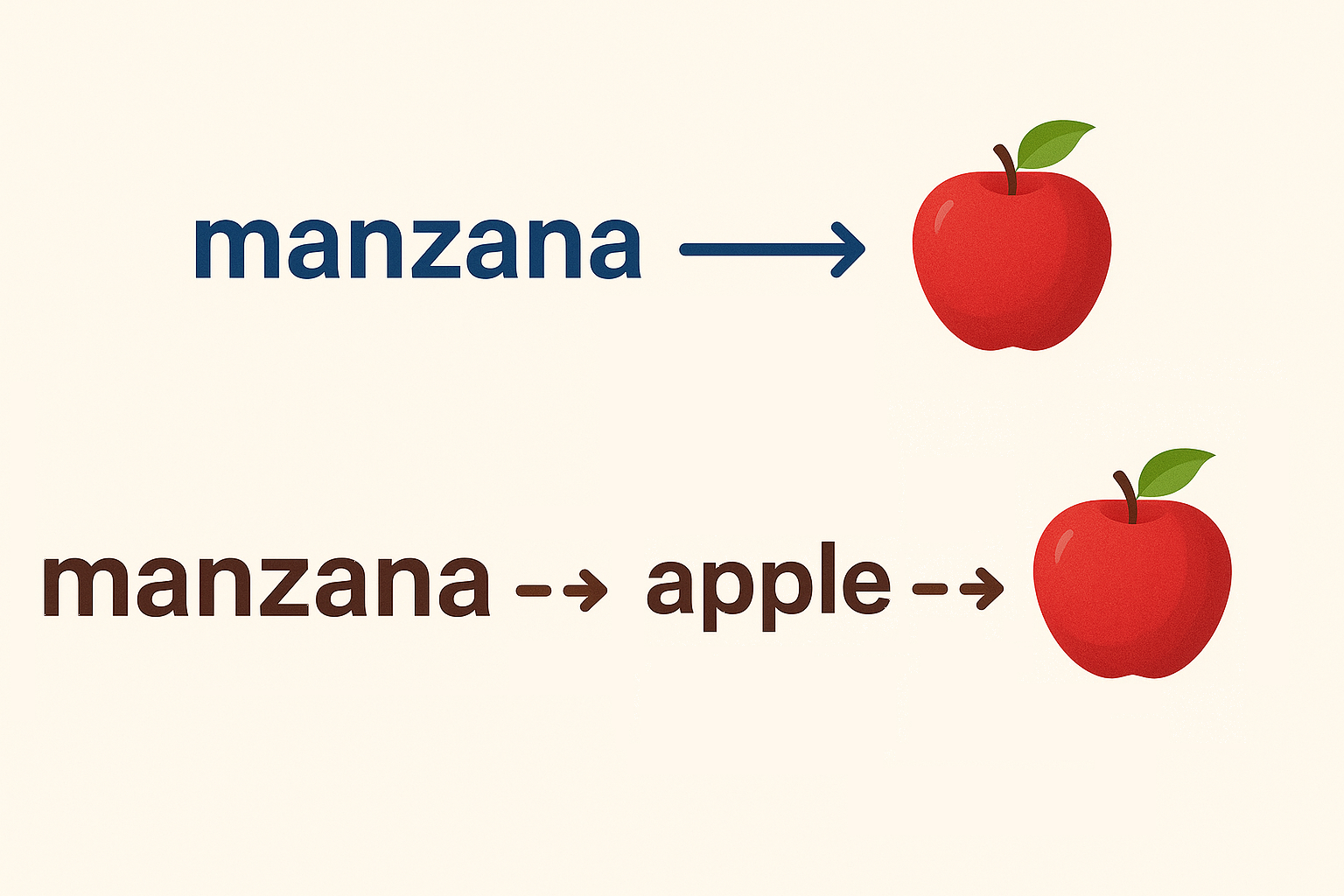
Context makes meaning clear: Teachers use visuals, gestures, real objects, and situations to make Spanish understandable without needing to translate.
You think in Spanish from the start: Instead of hearing a Spanish word, translating it to English in your mind, and then understanding it, you learn to connect Spanish words directly to their meanings.
Patterns emerge naturally: Through repeated exposure and guided practice, you start recognizing how Spanish works without needing lengthy grammar explanations in English.
This might sound intimidating if you're a complete beginner, but thousands of learners have successfully used this approach. The key is finding teachers who know how to make Spanish comprehensible at your level.
Common Questions About This Approach
"Won't I be completely lost if everything is in Spanish?"
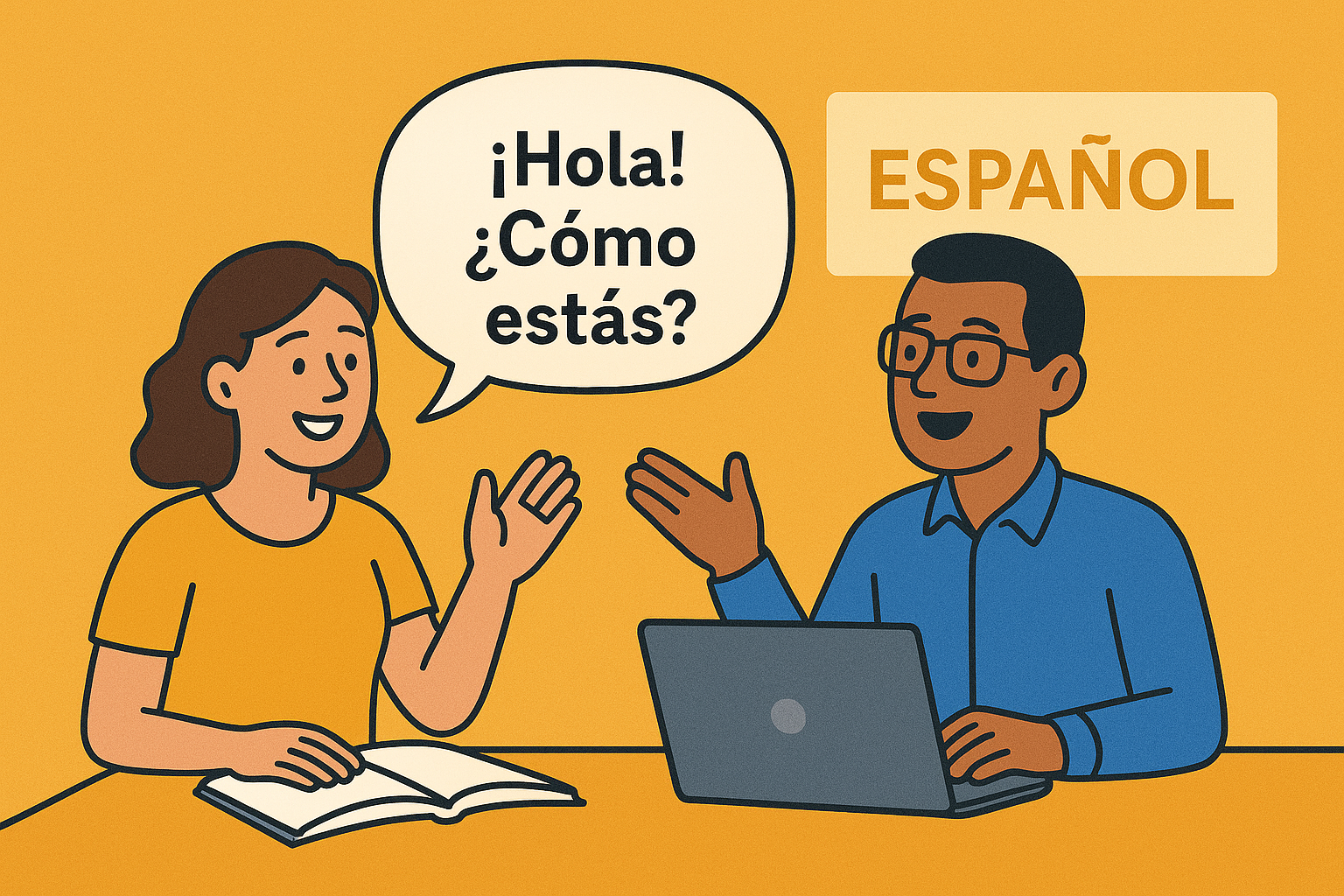
Not with the right teacher. Skilled instructors use techniques specifically designed to make Spanish understandable to beginners—visuals, context, gestures, cognates (words similar in English and Spanish), and carefully adjusted speech.
"How is this different from traditional Spanish classes?"
Traditional classes often explain grammar rules in English, provide English translations of vocabulary, and encourage you to think in English and translate to Spanish. The "español en español" approach skips the translation step entirely.
"Is this approach faster than traditional methods?"
Many learners report that it feels more natural and helps them think in Spanish sooner. However, the speed of learning depends more on your consistency and practice than on the method itself.
"Can complete beginners really start with Spanish-only instruction?"
Yes. Teachers who specialize in this approach have techniques for making Spanish comprehensible even to absolute beginners. You'll be surprised how much you can understand through context, gestures, and visuals.
Ready to Learn More?
If you searched for "learn Spanish in Spanish translation" because you're actually interested in this learning method, we have detailed information for you.
Visit our complete guide:
If you searched for "learn Spanish in Spanish translation" because you're actually interested in this learning method, we have detailed information for you.
Visit our complete guide: [Learn Spanish in Spanish](link: learn-spanish-in-spanish)
That guide will show you:
- How this approach works in practice
- Why learners who try it often prefer it to translation-based methods
- Where to find teachers and resources that use this method
- How to get started even as a complete beginner
Other Useful Spanish Phrases About Language Learning
While you're here, you might find these related phrases helpful:
- "Quiero aprender español" - I want to learn Spanish
- "¿Hablas inglés?" - Do you speak English?
- "Solo español, por favor" - Only Spanish, please
- "Estoy aprendiendo español" - I'm learning Spanish
- "Soy principiante" - I'm a beginner
- "No entiendo" - I don't understand
- "¿Puedes repetir?" - Can you repeat?
- "Más despacio, por favor" - More slowly, please
These phrases are useful when you start practicing Spanish, especially if you're in a Spanish-only learning environment.
The Bottom Line
If you came here looking for the Learn Spanish in Spanish translation, now you have it: "Aprender español en español" or "Aprende español en español"
But if you came here because you're actually interested in learning Spanish through this immersive approach, there's much more to explore. This method has helped thousands of learners develop natural fluency faster than traditional translation-based methods.
The phrase itself tells you what this approach is about: learning the language in the language. Direct. Immersive. Effective.
Ready to dive deeper into how this works and why it might be perfect for you? Check out our comprehensive guide on [learning Spanish in Spanish](link: learn-spanish-in-spanish) to understand the full picture and decide if this approach is right for your learning journey.
Whether you just needed the translation or you're ready to embrace this learning method, we hope this helped clarify what "aprender español en español" really means—both as a phrase and as a powerful approach to language learning.
Stay inspired on your Spanish journey with occasional updates, new articles, and helpful resources.