- Home
- Ways to Learn Spanish
- Best Way to Learn Spanish
- Are You Too Old to Learn Spanish?
Are you too old to learn Spanish?
If you're wondering whether you're too old to learn Spanish, you're not alone. This is one of the most common concerns people have when considering learning a new language as adults. Maybe you're in your 40s, 50s, 60s, or beyond, and you've heard that children learn languages more easily. So are you too old to learn Spanish effectively?
The short answer is no. You're not too old to learn Spanish, and age can actually be an advantage in many ways. While children and adults learn languages differently, adults have unique strengths that can make language learning very successful at any age.
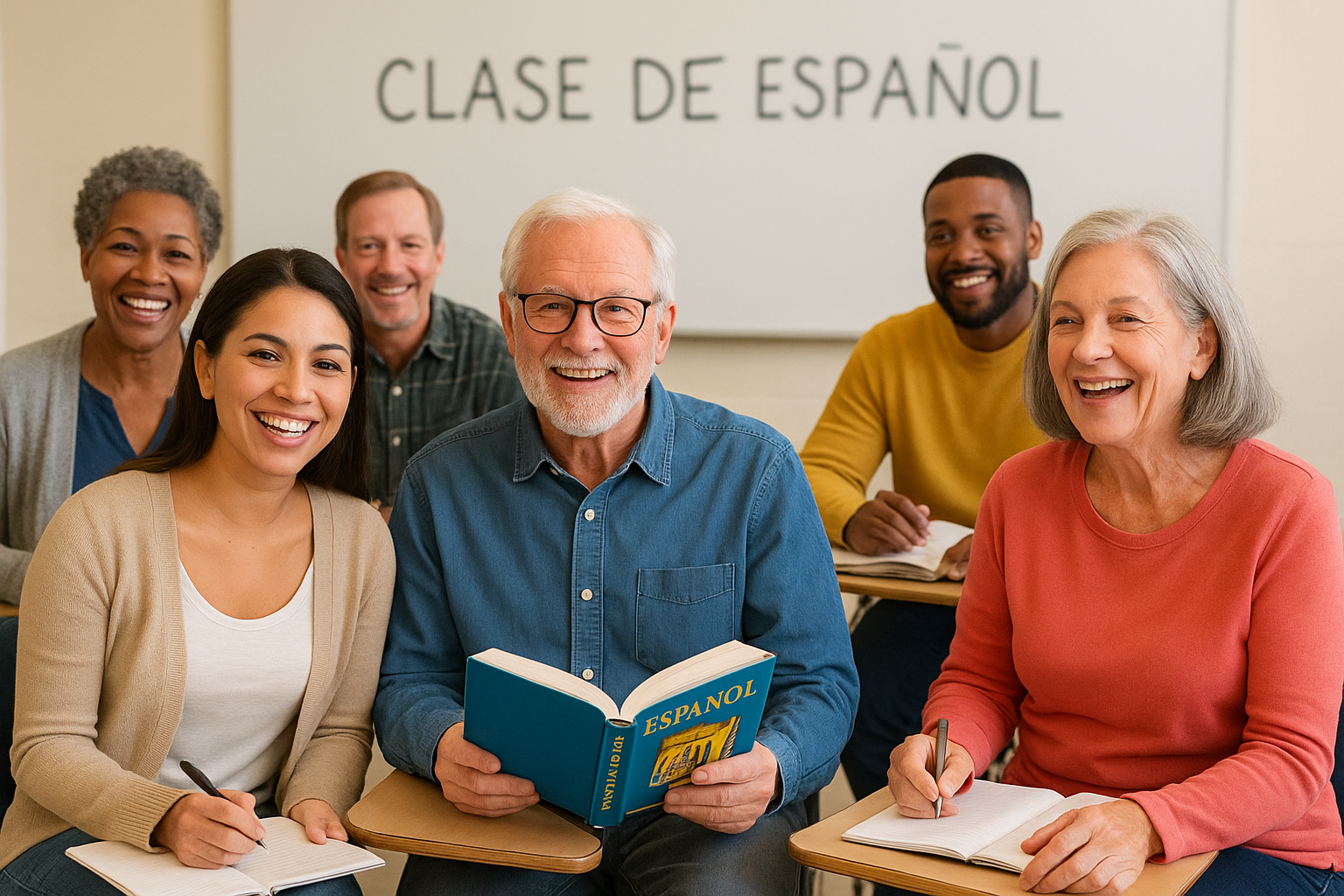
The Truth About Age and Language Learning
The idea that only children can learn languages easily is based on a partial truth. Children do have certain advantages, particularly with pronunciation. However, adults have significant advantages that often get overlooked.
Research shows that adults can learn languages successfully throughout their entire lives. Your brain remains capable of forming new neural connections well into old age. This neuroplasticity doesn't disappear when you become an adult.
In fact, older learners often progress faster than children in the early stages of language learning. Adults have better developed cognitive skills, more life experience to connect new information to, and greater motivation and discipline.
This research tries to answer the question: Are you too old to learn Spanish?
The answer: Your age shouldn’t put you off learning a new language.
Why Adults Actually Have Advantages
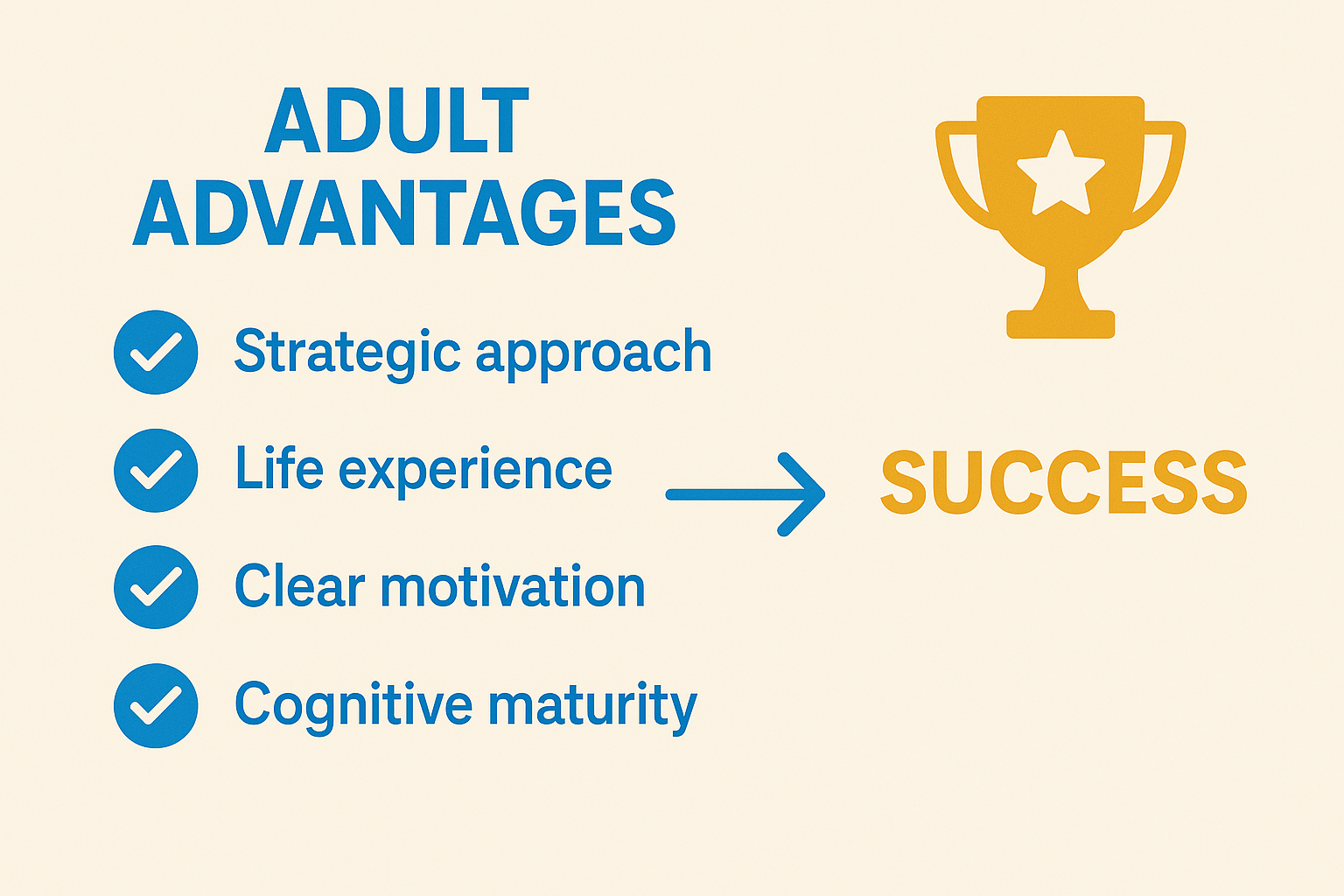
You might be concerned about the question: Are you too old to learn Spanish? But consider these adult advantages:
Life Experience: You already understand conceps like banks, restaurants, and social situations. When you learn Spanish words, you only need to learn the label, not the concept itself. Children have to learn both simultaneously.
Cognitive Maturity: Your adult brain can understand abstract concepts, recognize patterns, and make logical connections. You can grasp grammar explanations that would confuse a child.
Motivation and Purpose: Unlike children who are often forced to study, you've chosen to learn Spanish for clear reasons—travel, family, career, or personal enrichment. This intrinsic motivation is incredibly powerful.
Learning Strategies: You've spent years learning various subjects. You know how you learn best, you can set goals, monitor your progress, and adjust your approach when something isn't working.
Discipline and Consistency: Adults are generally better at maintaining regular practice schedules. You understand that progress requires consistent effort over time.
What Changes as You Get Older
It's important to be realistic about what does change with age:
Pronunciation: Younger learners typically achieve more native-like pronunciation more easily. As an adult, you might retain some accent. However, this doesn't prevent effective communication. Many successful Spanish speakers have accents.
Memory: Some older adults notice changes in their working memory. However, this can be compensated for with effective learning strategies like spaced repetition and regular review.
Self-Consciousness: Adults are often more self-conscious about making mistakes than children. However, being aware of this tendency helps you consciously push past it.
The key insight is that these changes are manageable. They don't prevent you from learning Spanish successfully—they just mean you might approach learning slightly differently than a child would.
How to Learn Spanish Successfully as an Older Adult
Here are strategies that work particularly well for adult learners:
Start with Clear, Achievable Goals: Don't aim for "perfect fluency." Instead, set practical goals like "have basic conversations when traveling" or "understand Spanish TV shows."
Practice Consistently in Small Doses: Fifteen minutes every single day beats two hours once a week. Your brain needs regular exposure to form lasting neural pathways. This consistency is more important than intensity.
Use Your Analytical Strengths: Don't shy away from understanding grammar if that helps you. Your adult brain is good at understanding systems and patterns. However, balance this with actual practice so you develop intuitive use.
Focus on Comprehensible Input: Expose yourself to Spanish content you mostly understand but that stretches you slightly. Your brain naturally acquires language patterns from content you comprehend.
Don't Fear Mistakes: Your self-consciousness is normal, but don't let it paralyze you. Every mistake is a learning opportunity. Native speakers appreciate your effort and are usually patient with errors.
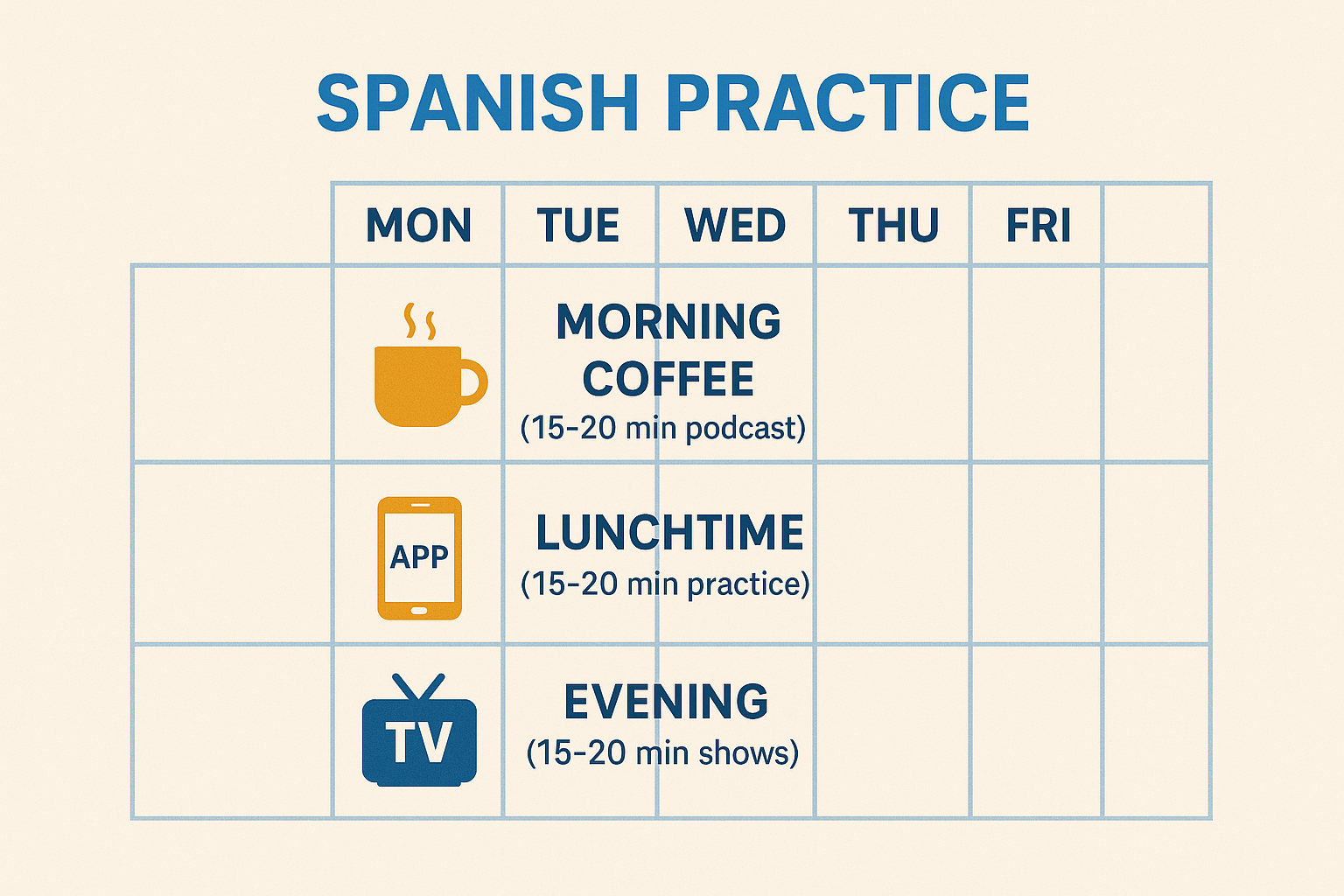
Build a Routine That Fits Your Life: Integrate Spanish into your existing routines—podcasts during your morning walk, apps during lunch, Spanish shows before bed. Make it part of your life rather than an additional burden.
The Role of Brain Health
One factor that matters more than age is overall brain health. Staying mentally active, getting regular exercise, eating well, and sleeping enough all support your brain's ability to learn.
Interestingly, learning a new language is itself excellent for brain health. Studies show that bilingualism may help delay cognitive decline and protect against dementia. So learning Spanish isn't just possible at an older age—it's actually beneficial for keeping your brain sharp.
Realistic Expectations for Different Ages
If you're in your 30s or 40s, you're in an excellent position to learn Spanish. You have better focus and study skills than in your teens, and your brain is still highly adaptable.
If you're in your 50s or 60s, you might need to be a bit more patient with yourself. But you also might have more time and resources to dedicate to learning than younger adults do.
If you're 70 or older, you might progress a bit more slowly with vocabulary memorization. However, your life experience and motivation are powerful assets. Many retirees have more time for consistent practice than they ever did during working years.
Regardless of your age, reframe the question: "Am I willing to commit to consistent practice and realistic goals?" If yes, then you're not too old.
So, are you too old to learn Spanish?
No. You might learn differently than a child would, but you can absolutely learn successfully. Your age brings advantages that can make you a more effective learner in many ways.
The most important factors aren't your age—they're your motivation, your consistency, your willingness to practice, and finding approaches that work for you. Understanding the best way to learn Spanish for your unique situation will help you make steady progress regardless of your age.
Don't let the number of years you've lived stop you from learning something new. Your brain is ready. The question is: are you?
Ready to Begin?
The best time to start learning Spanish was 20 years ago. The second best time is today. Your age is not the obstacle you think it is—hesitation is.
Whether you're 35 or 75, you can learn Spanish. You can have conversations, understand Spanish media, and connect with Spanish speakers. You just need to start, be consistent, and be patient with yourself.
Stop asking "am I too old?" and start asking "how will I practice today?" That shift in mindset makes all the difference.
Stay inspired on your Spanish journey with occasional updates, new articles, and helpful resources.